KATKOOT × BERENJAK
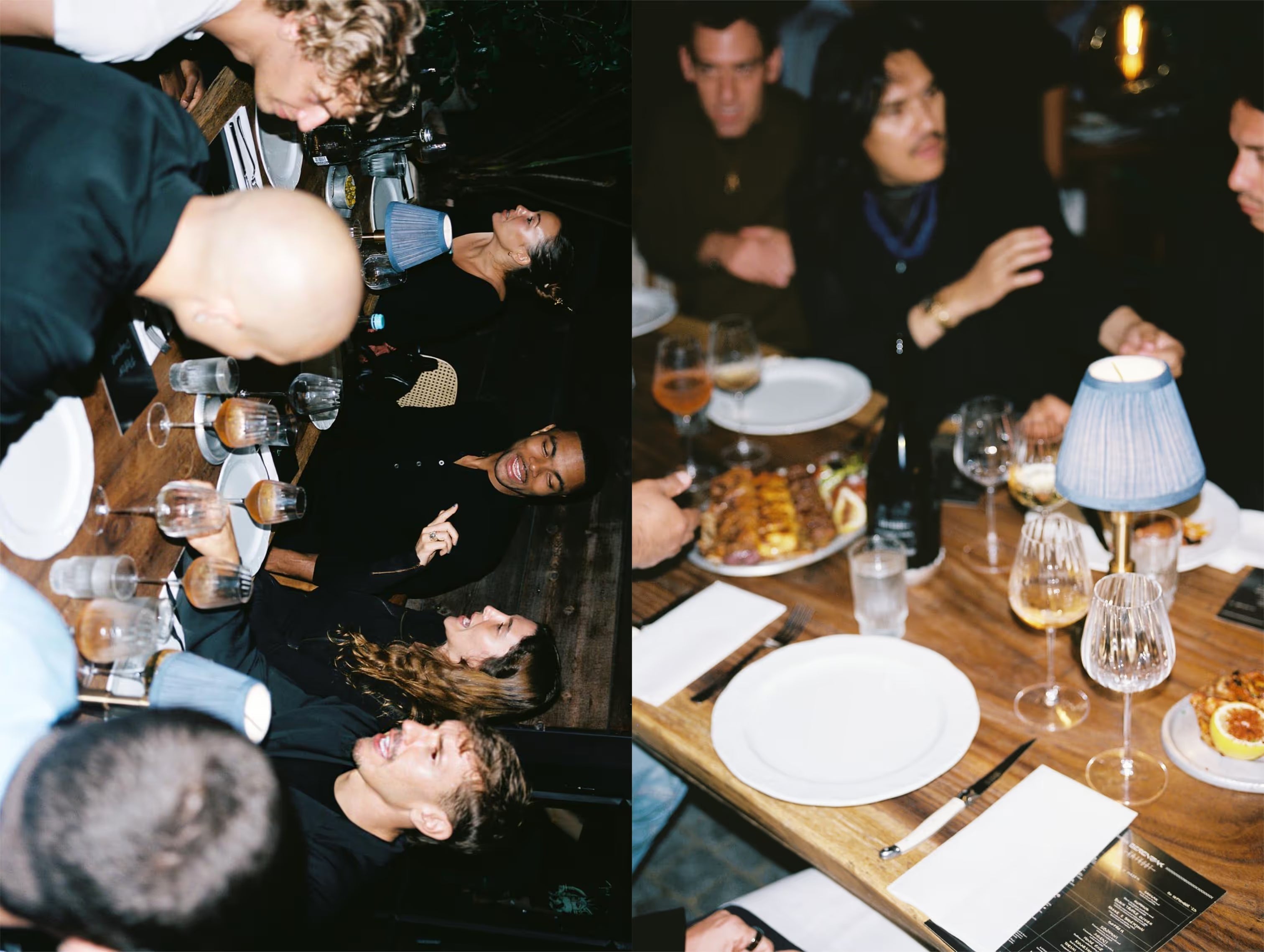
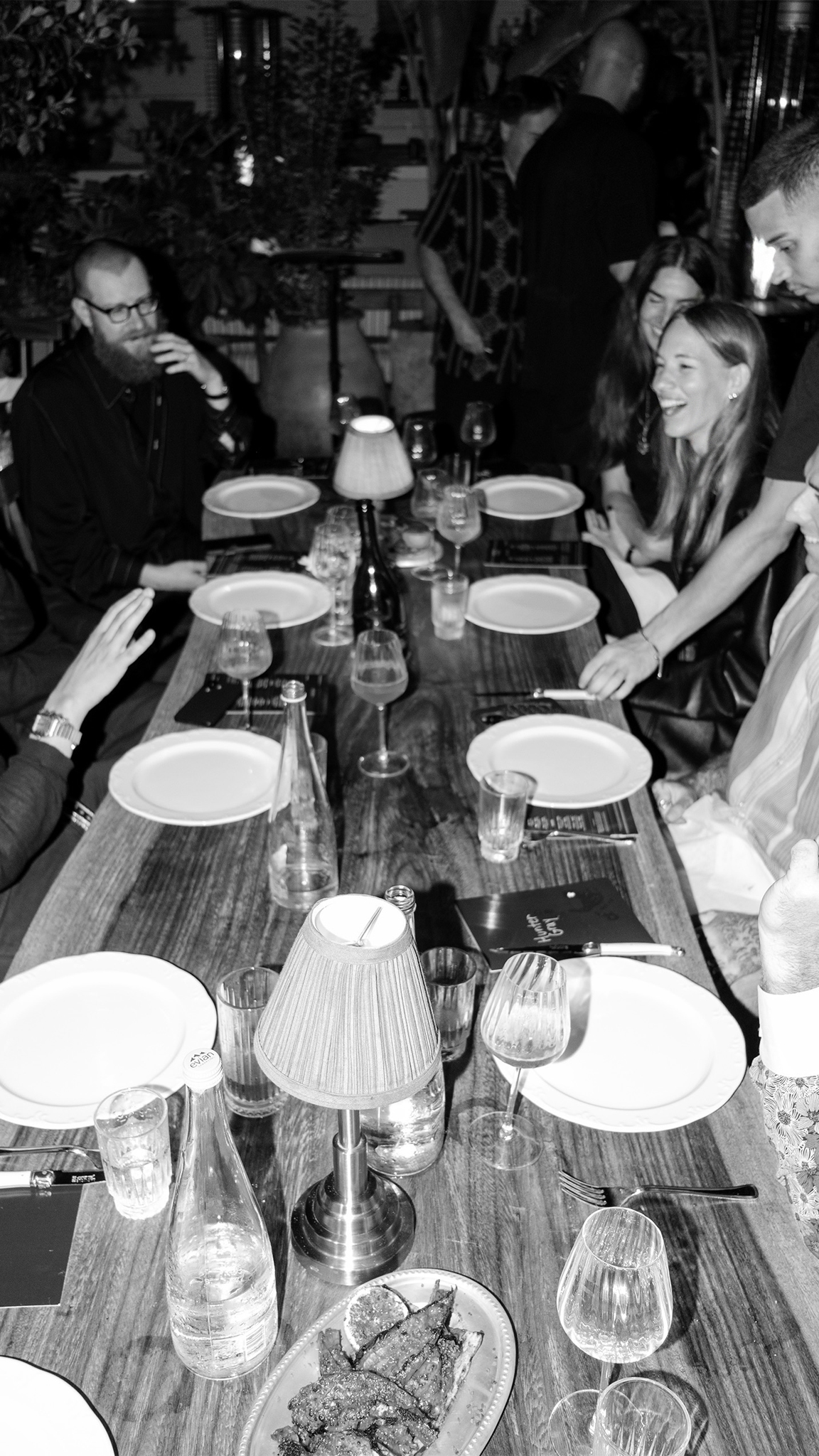
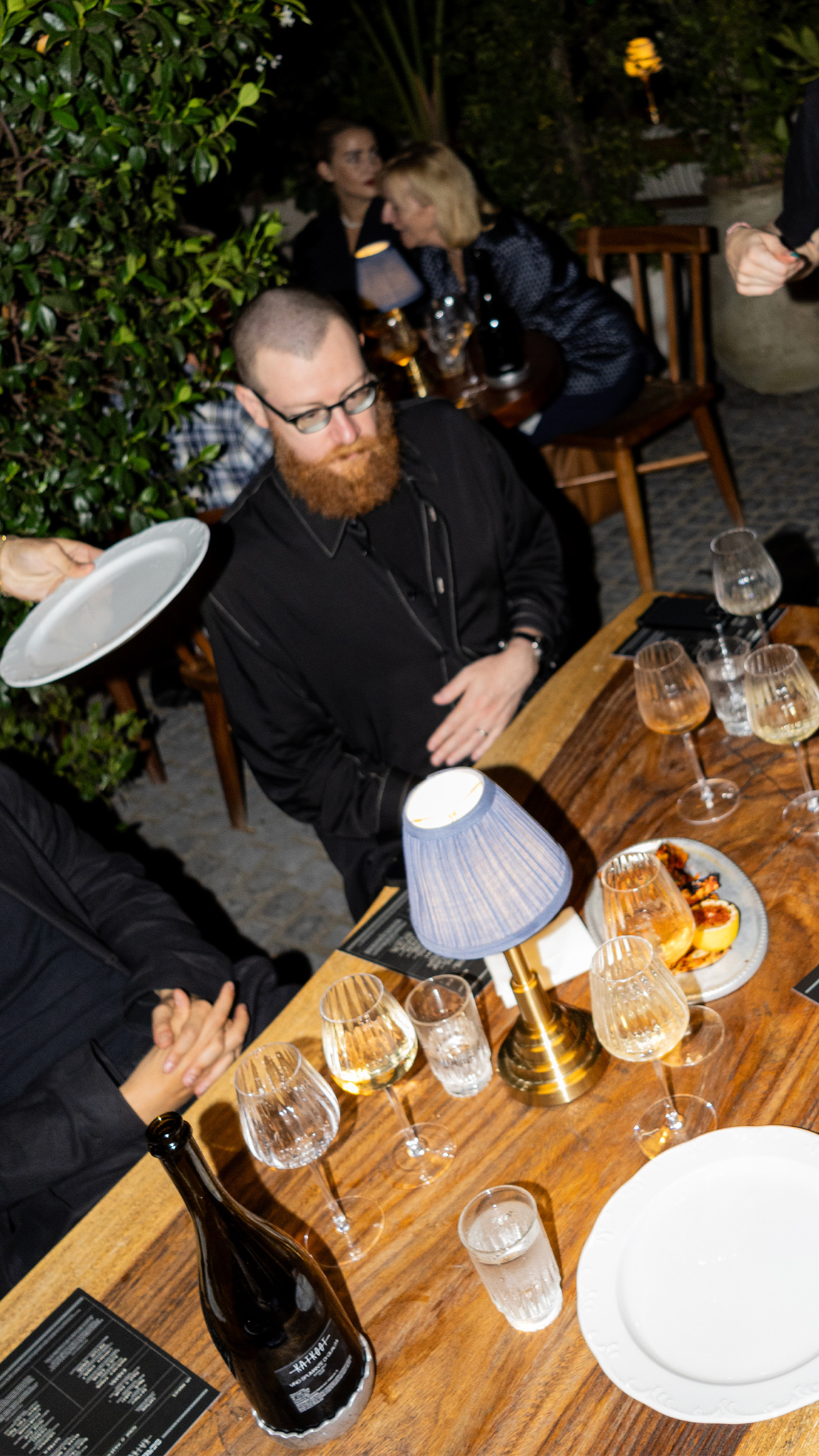
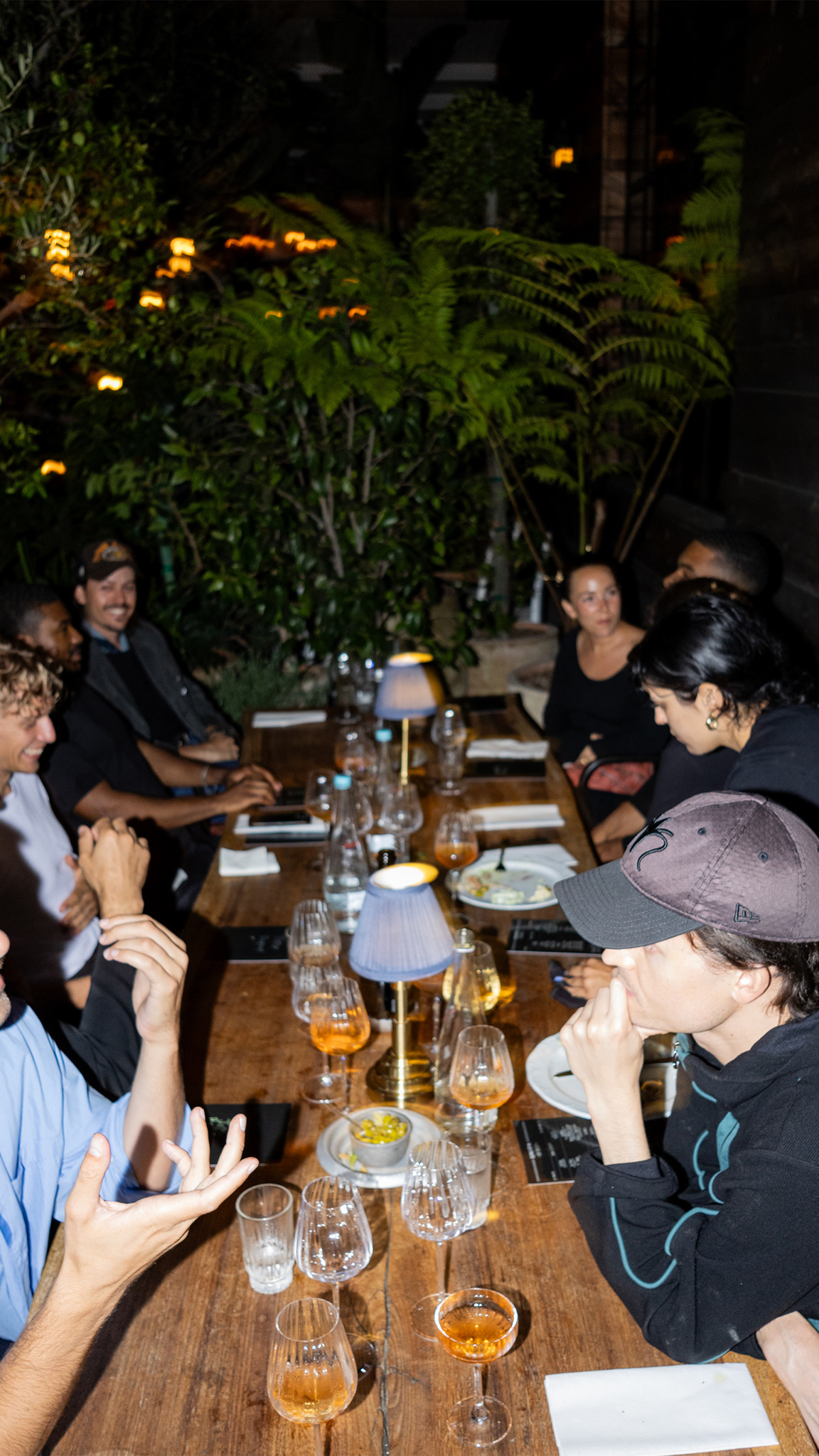
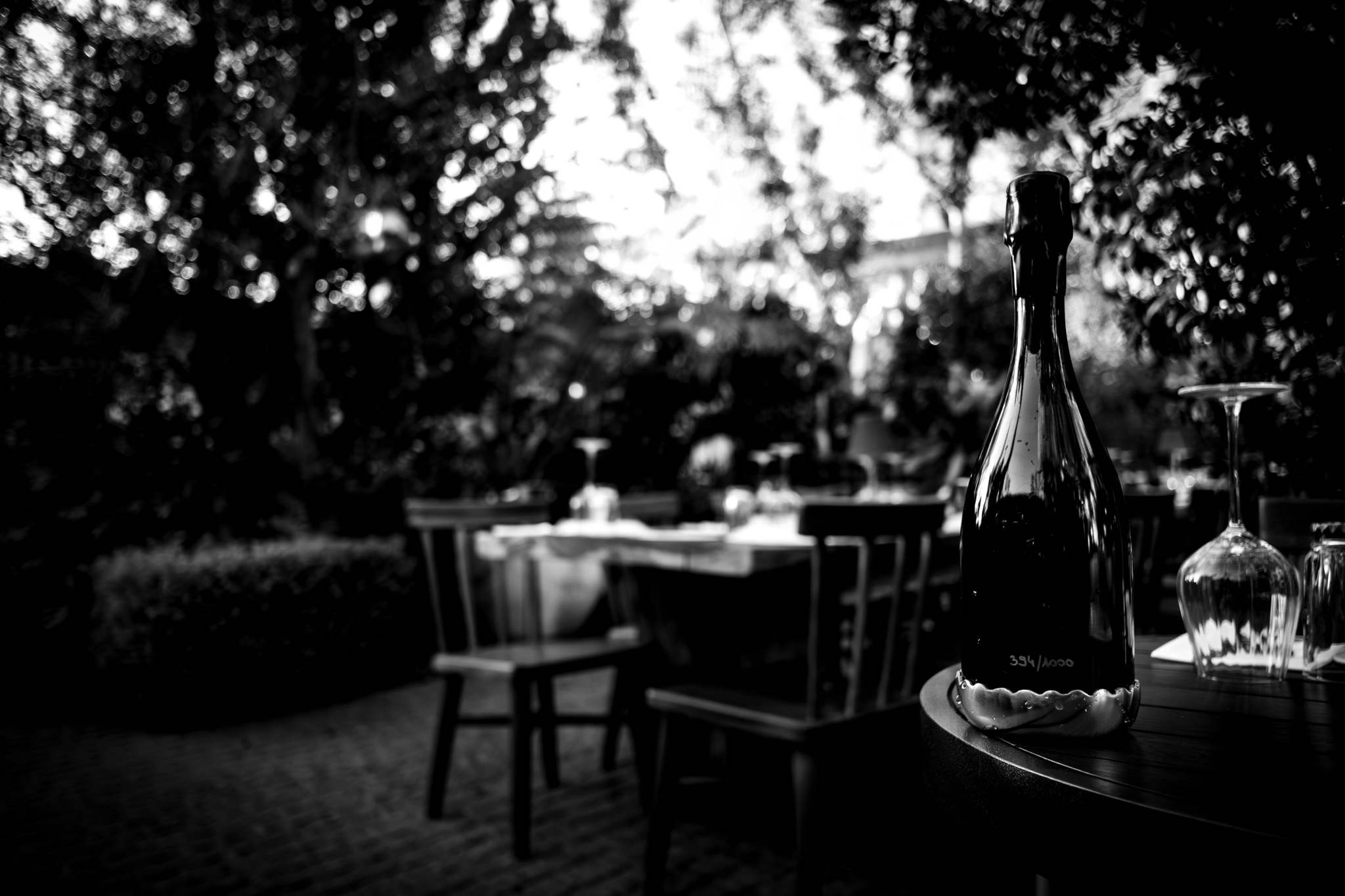
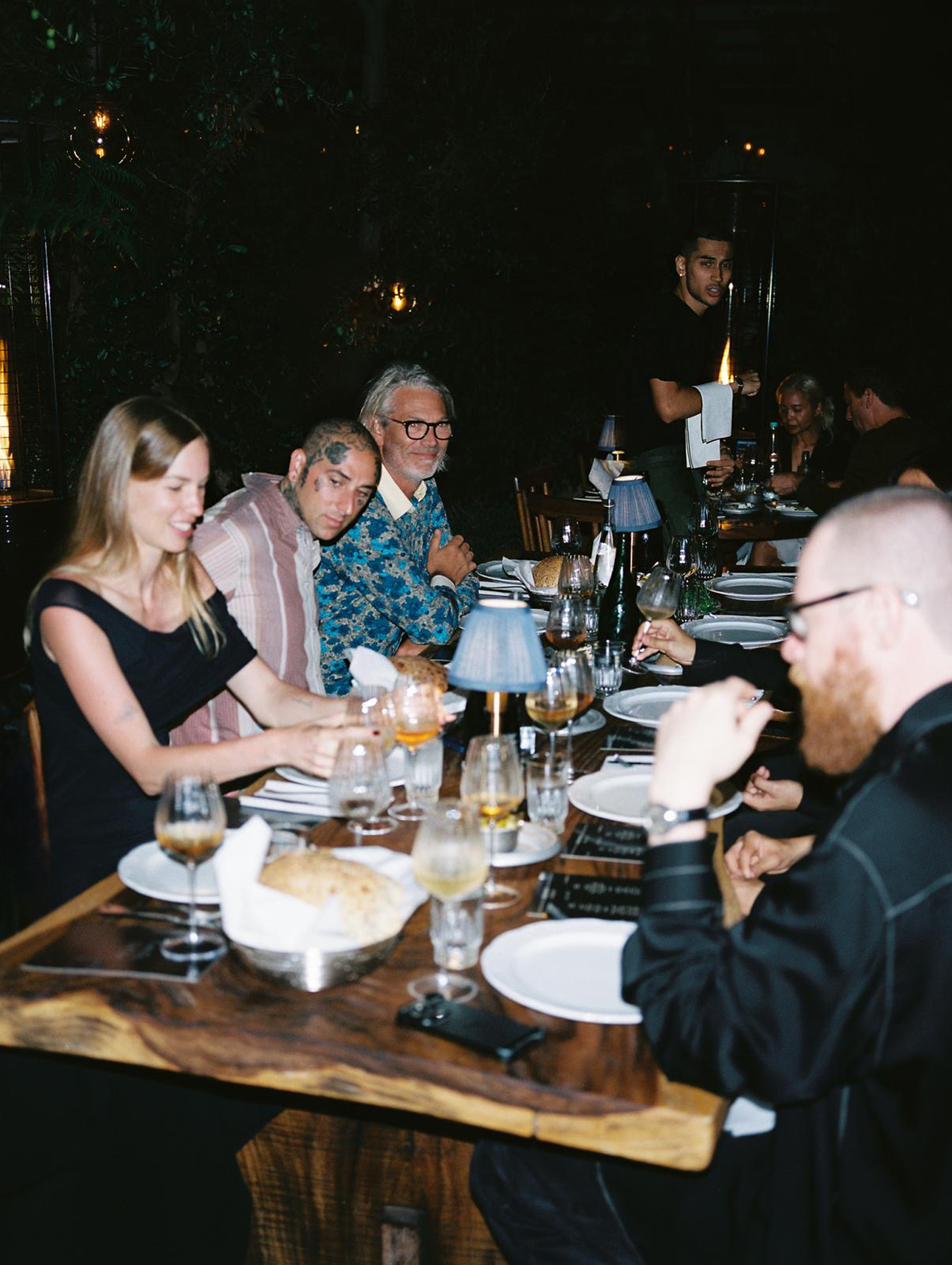
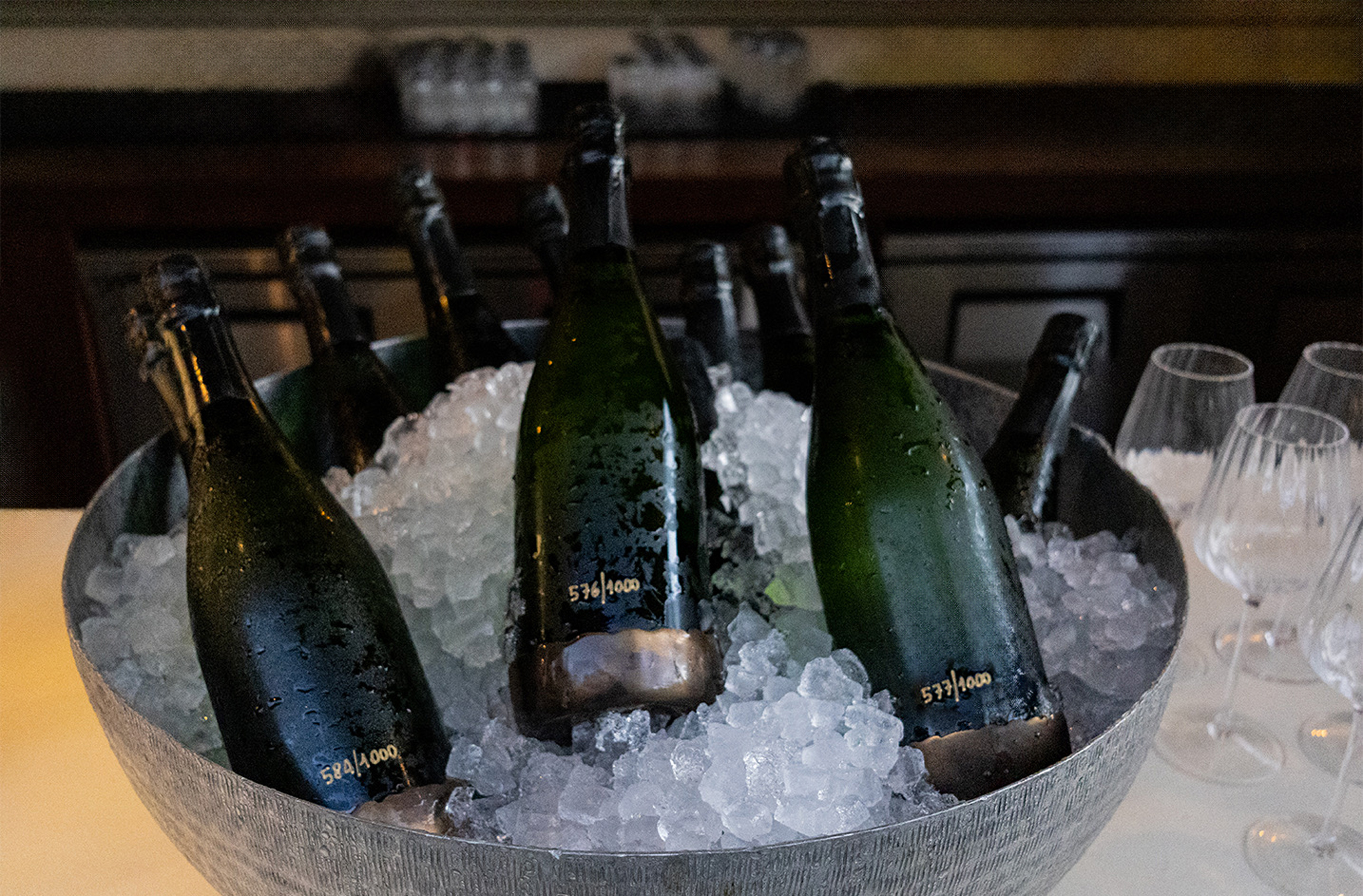
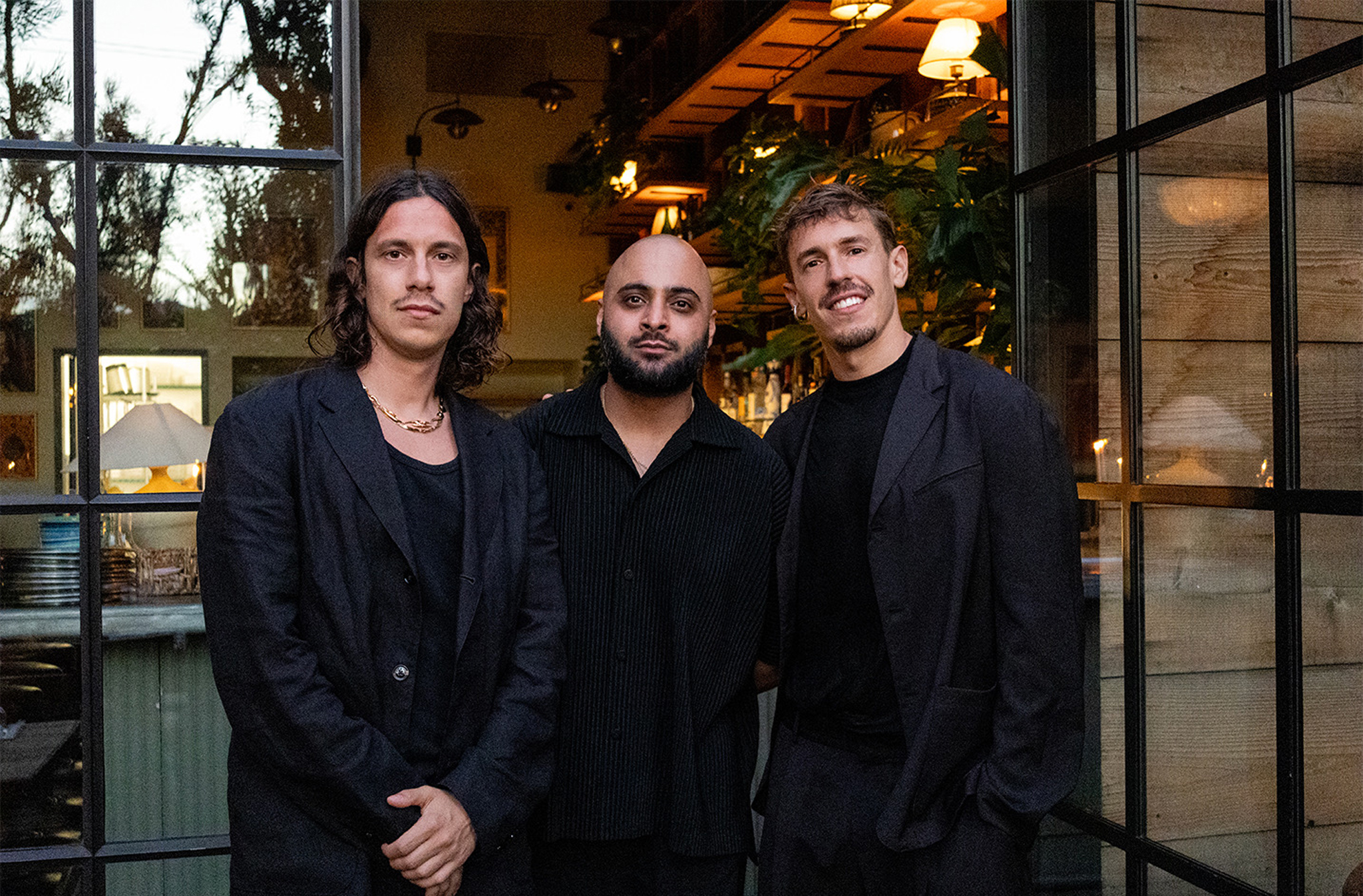
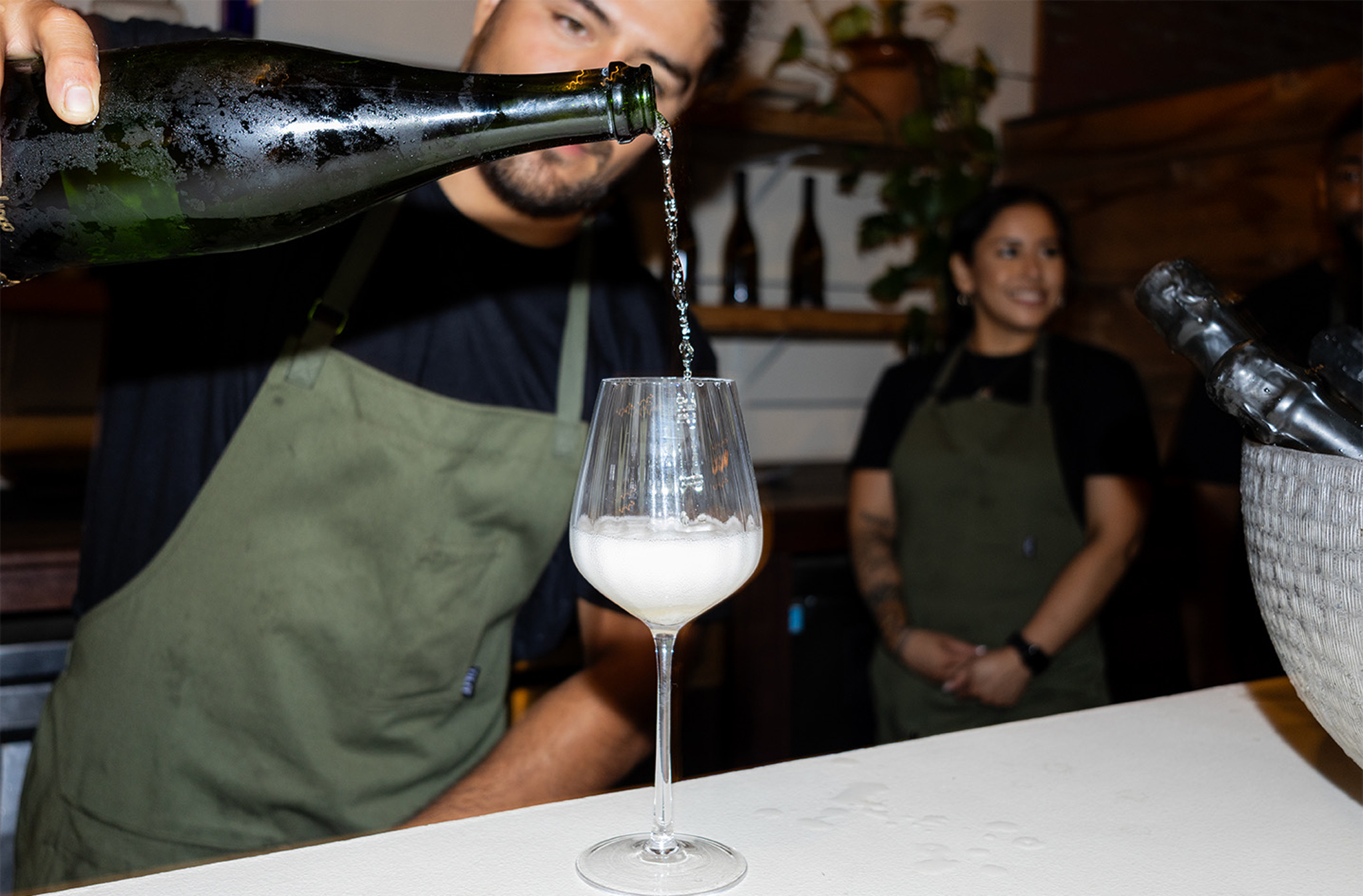
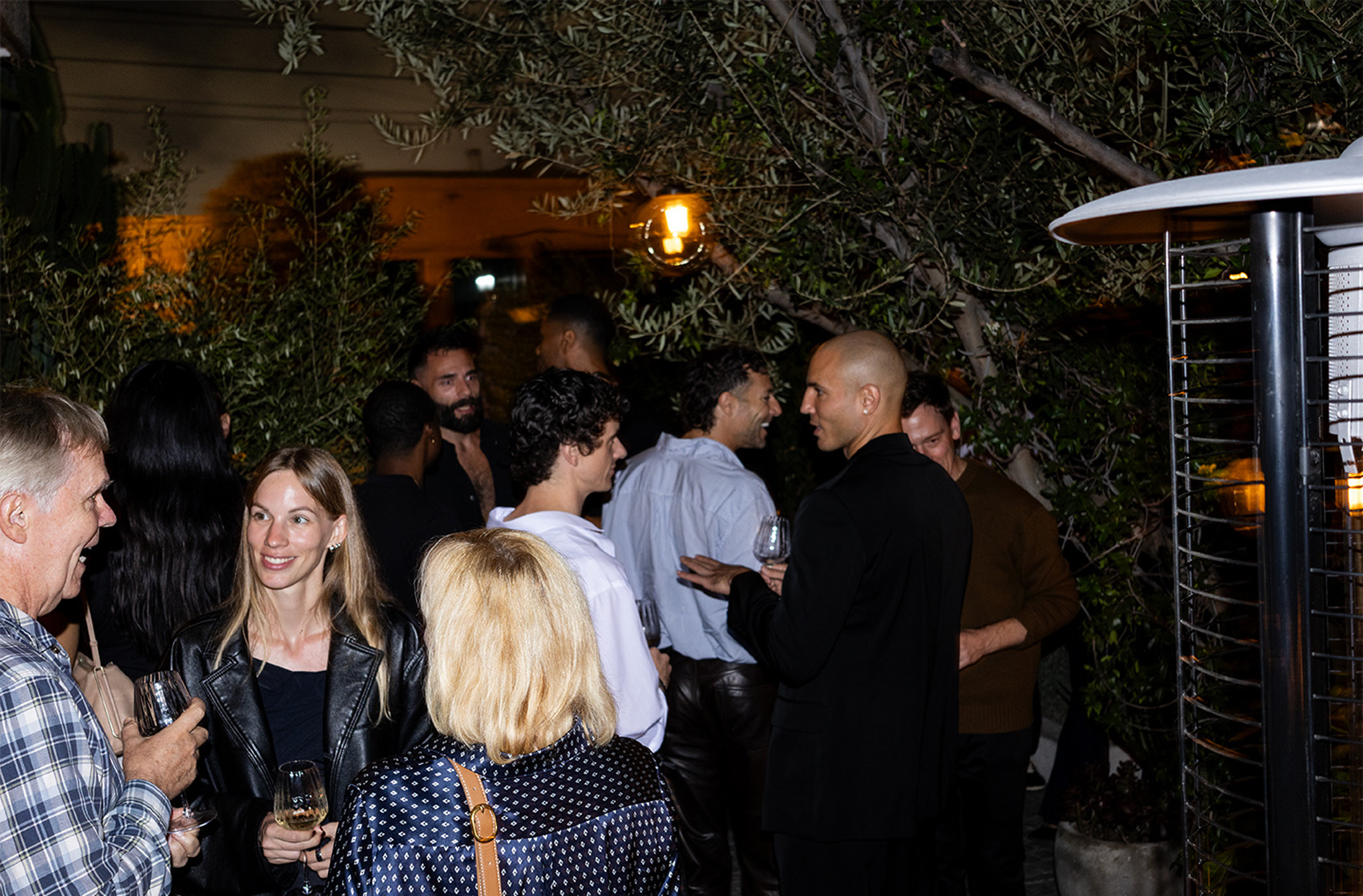
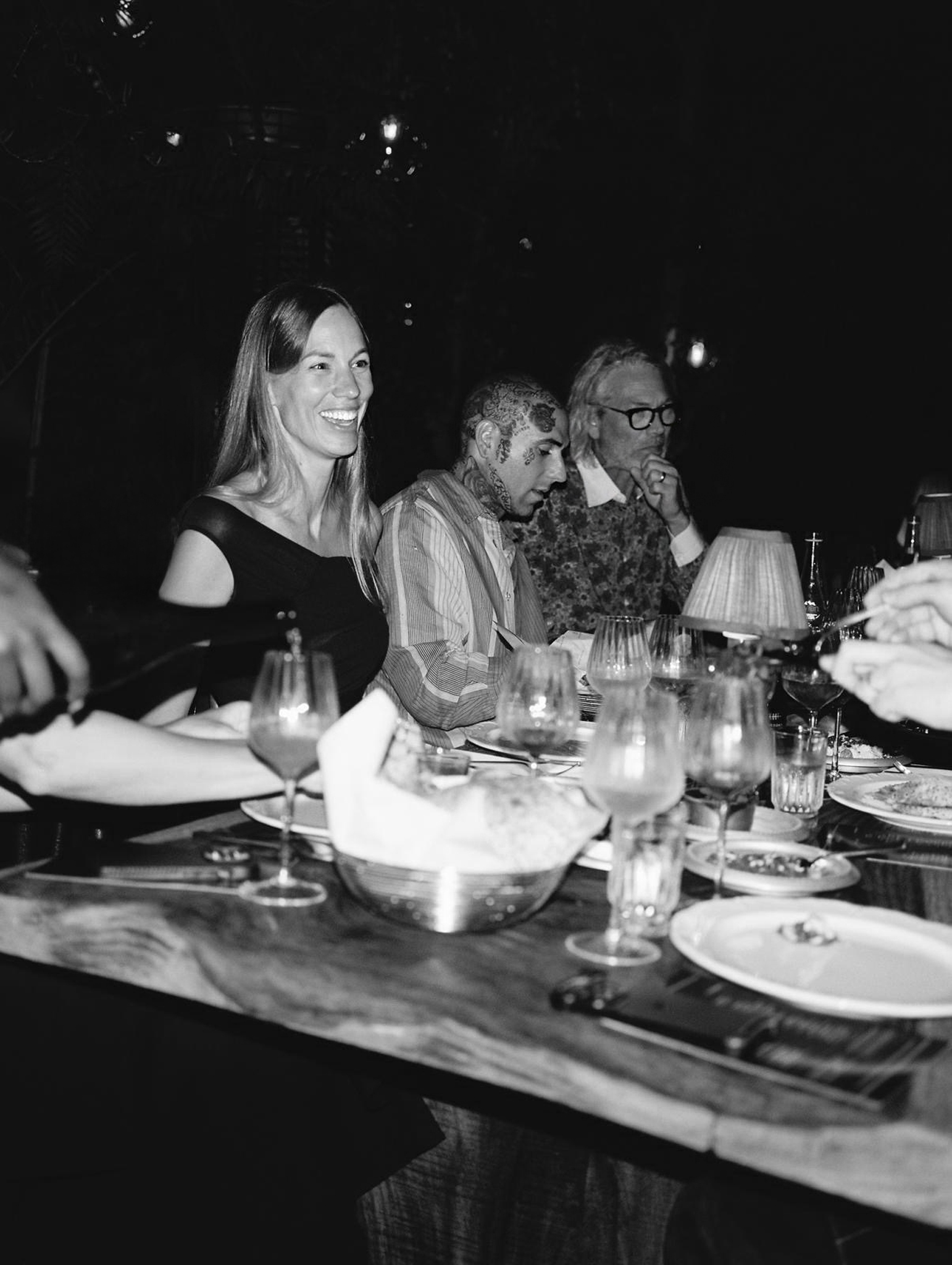
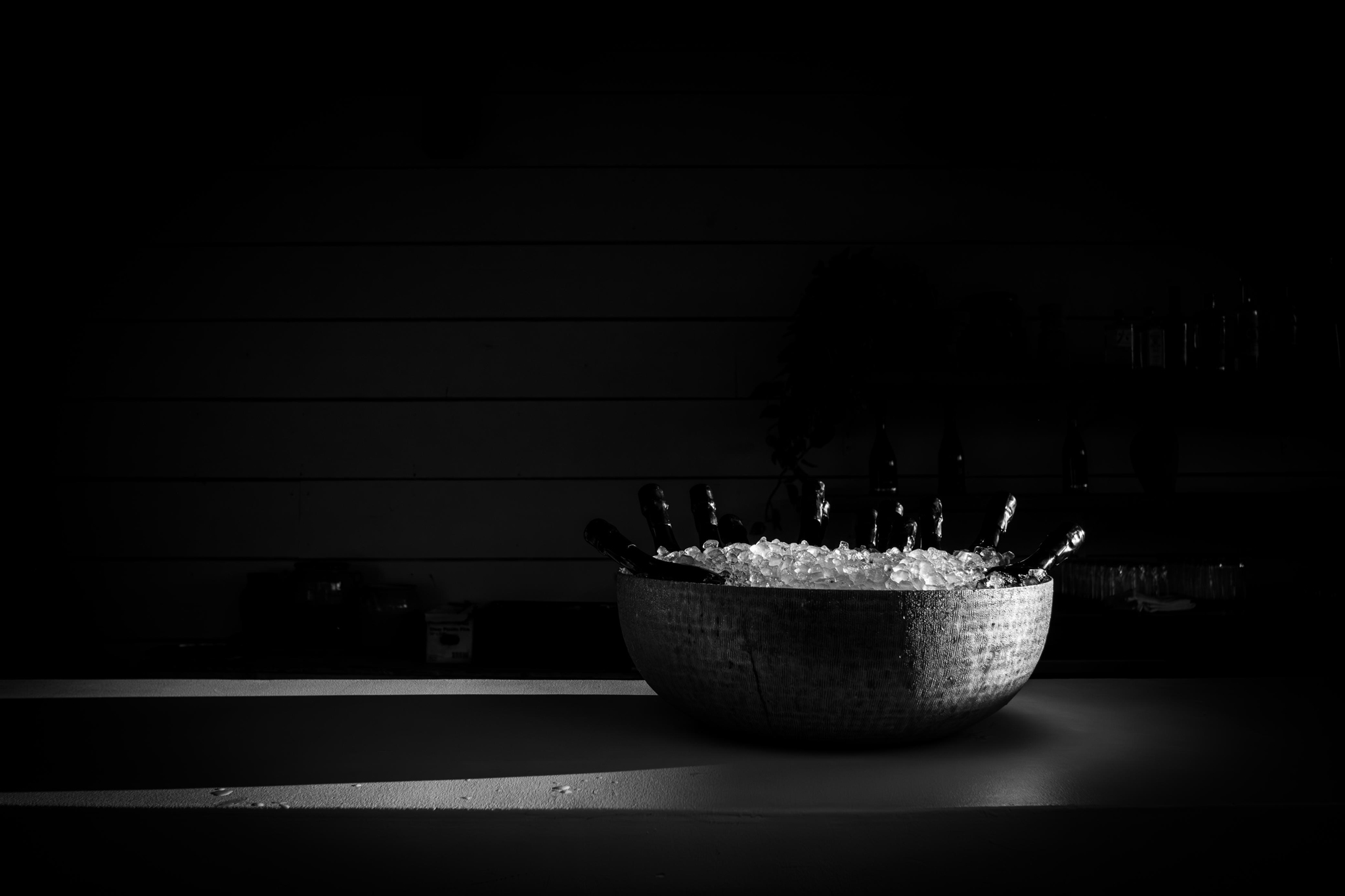
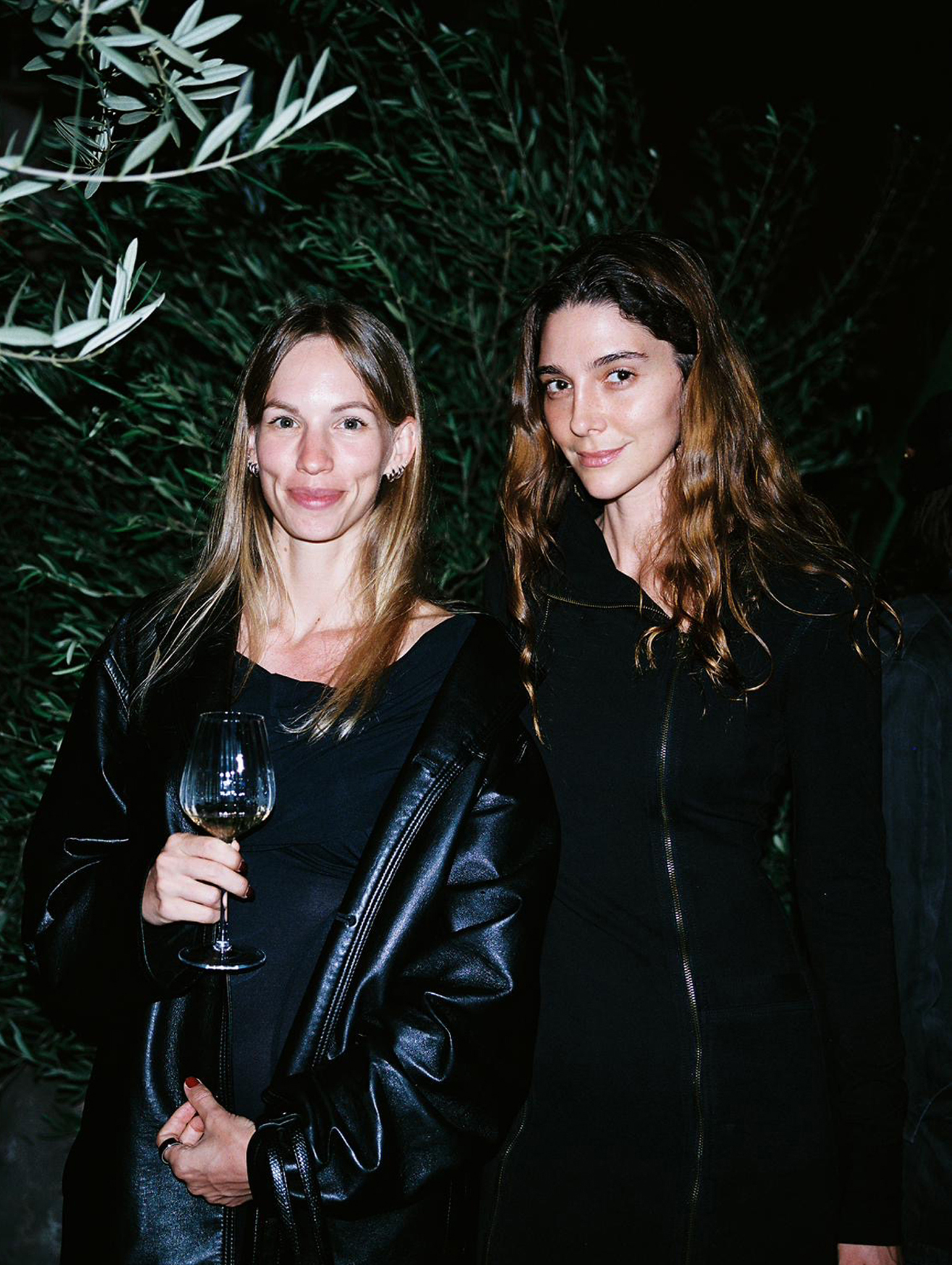
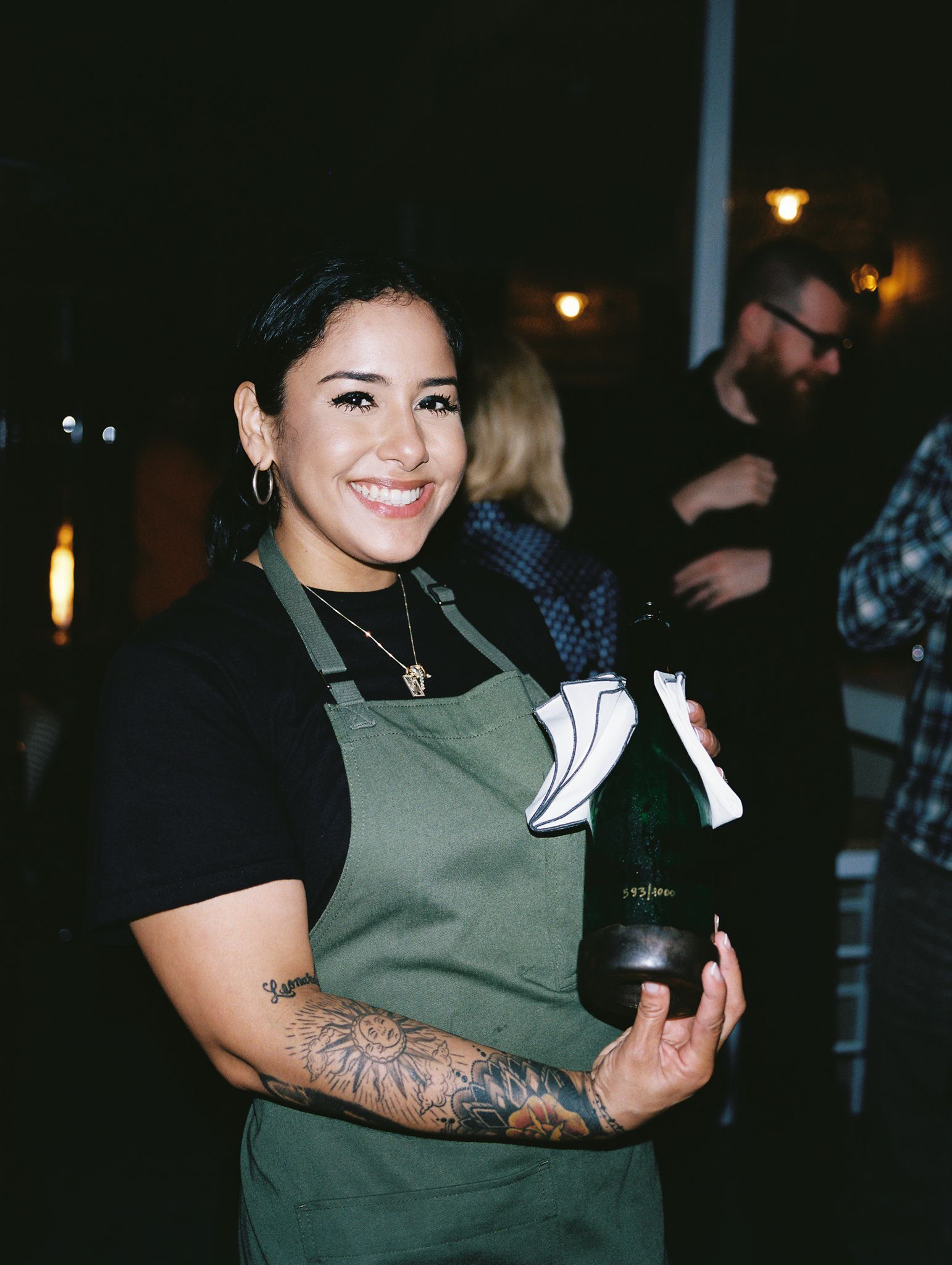
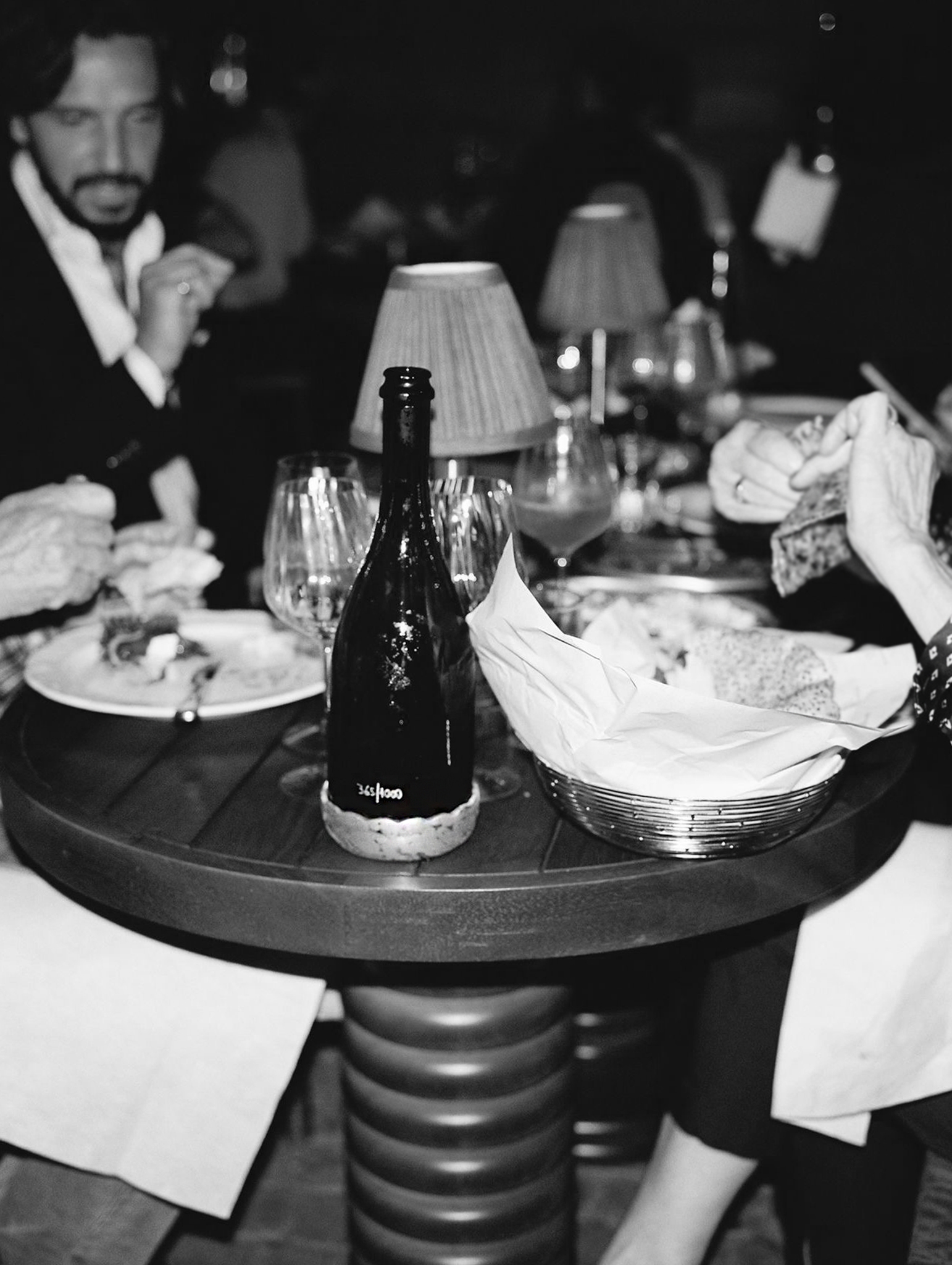
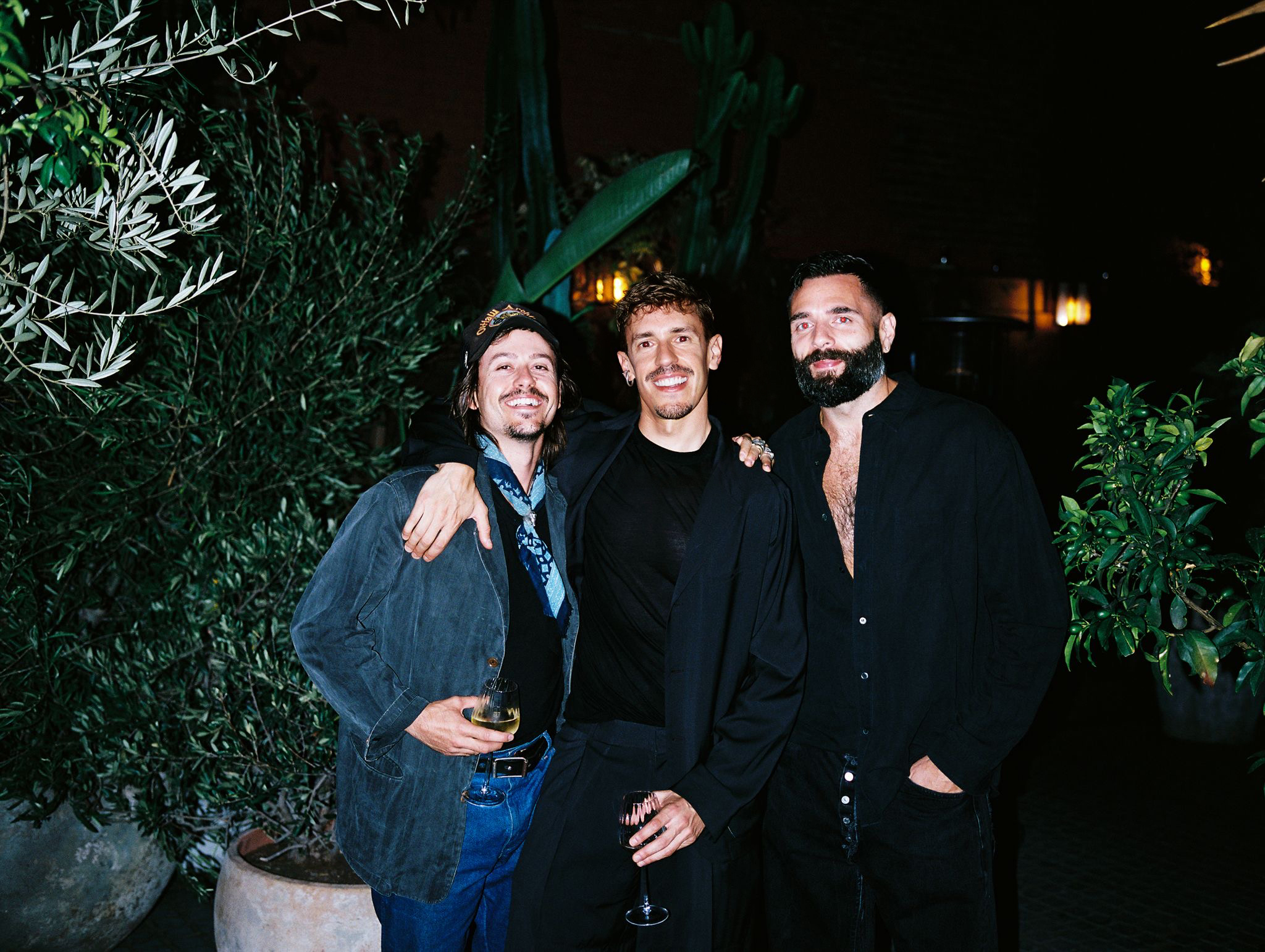
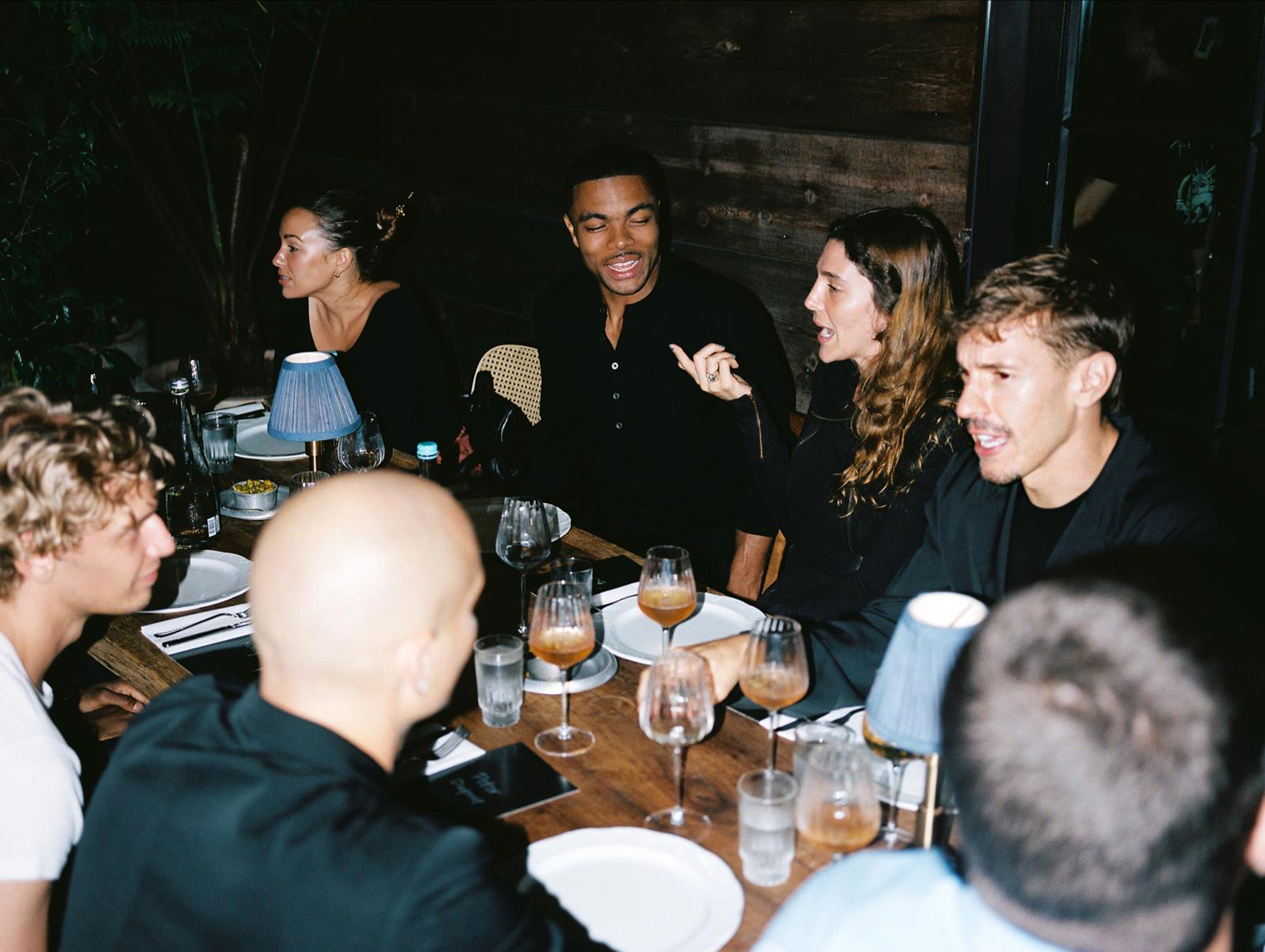
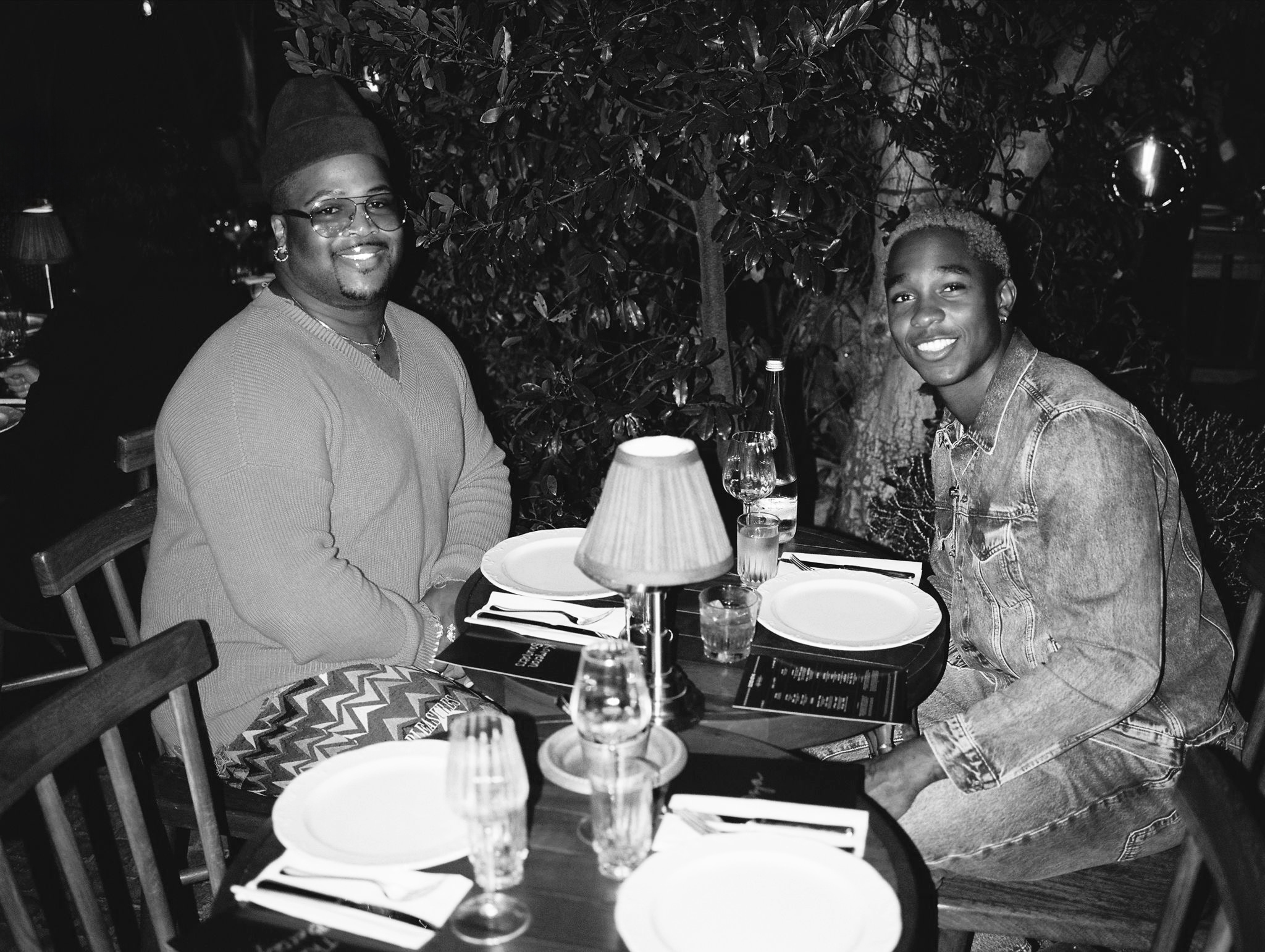
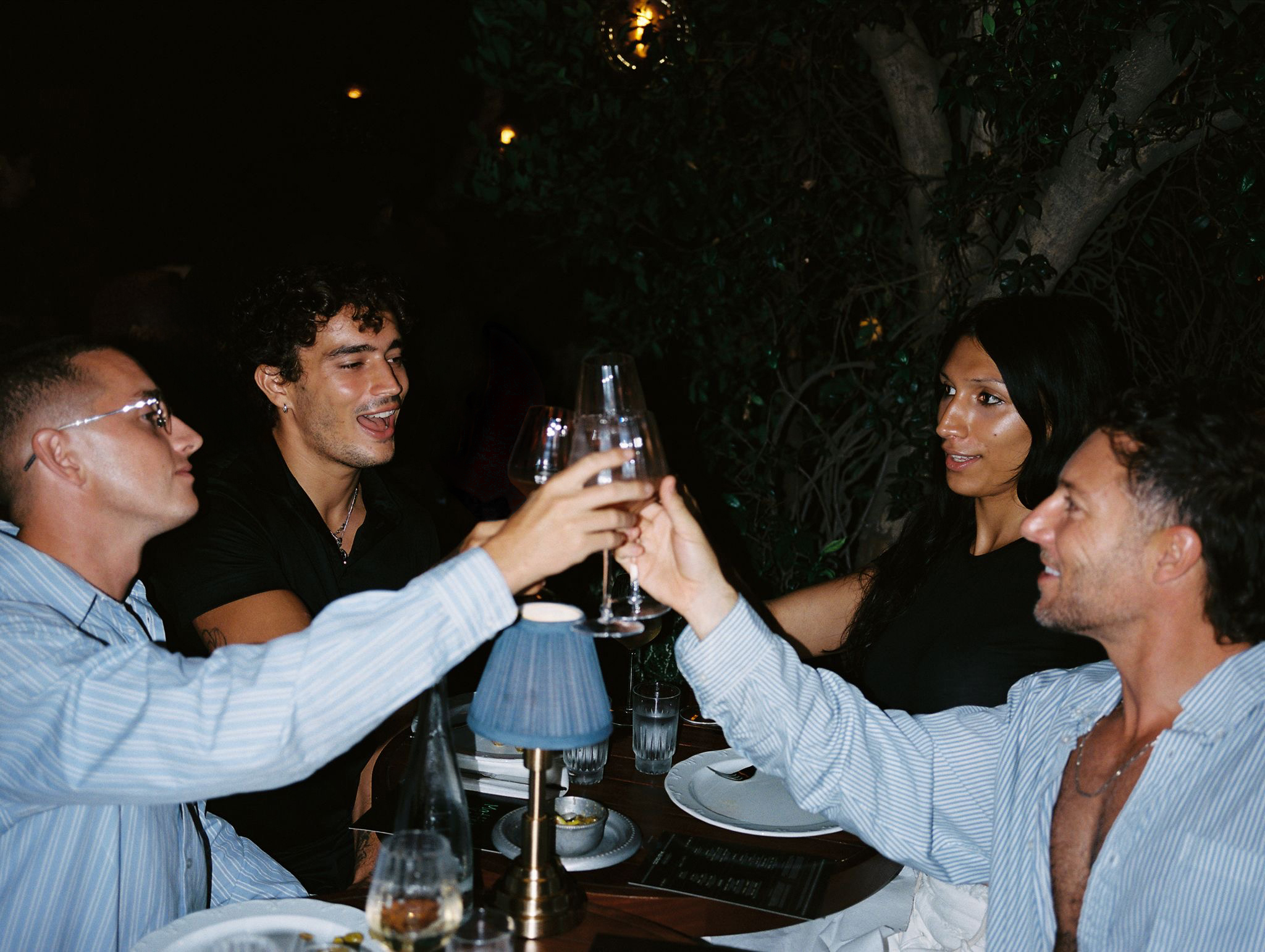
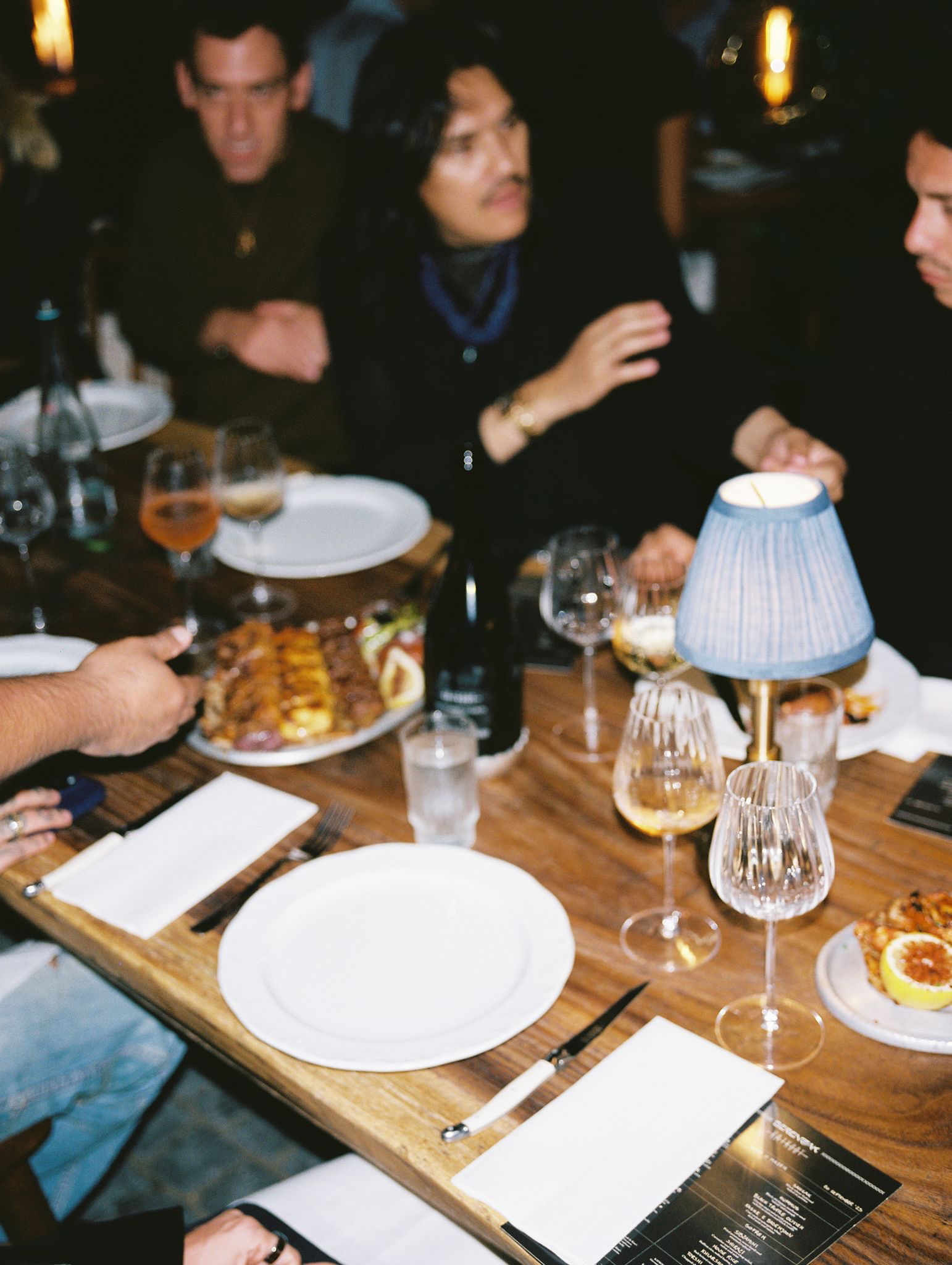
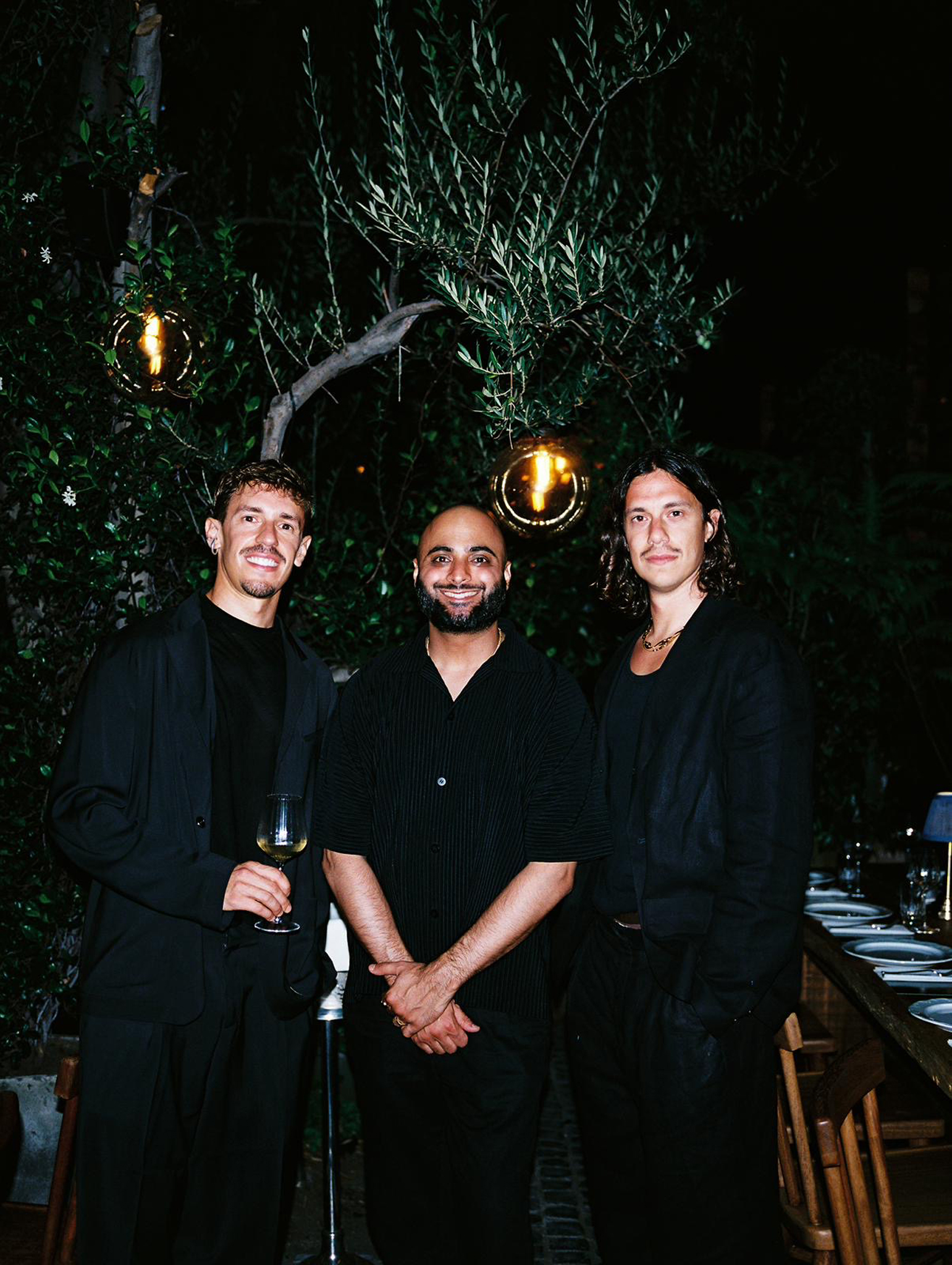
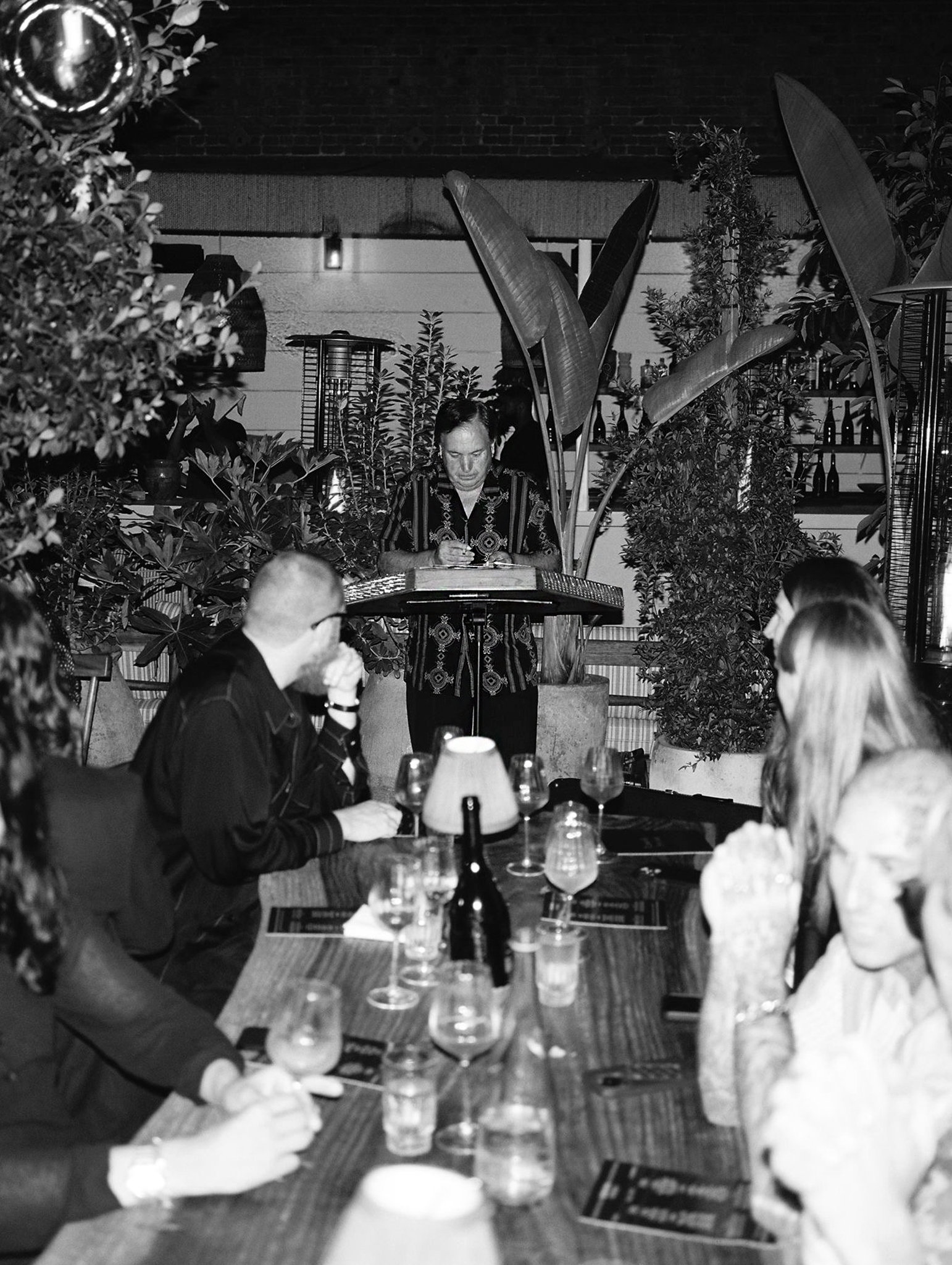
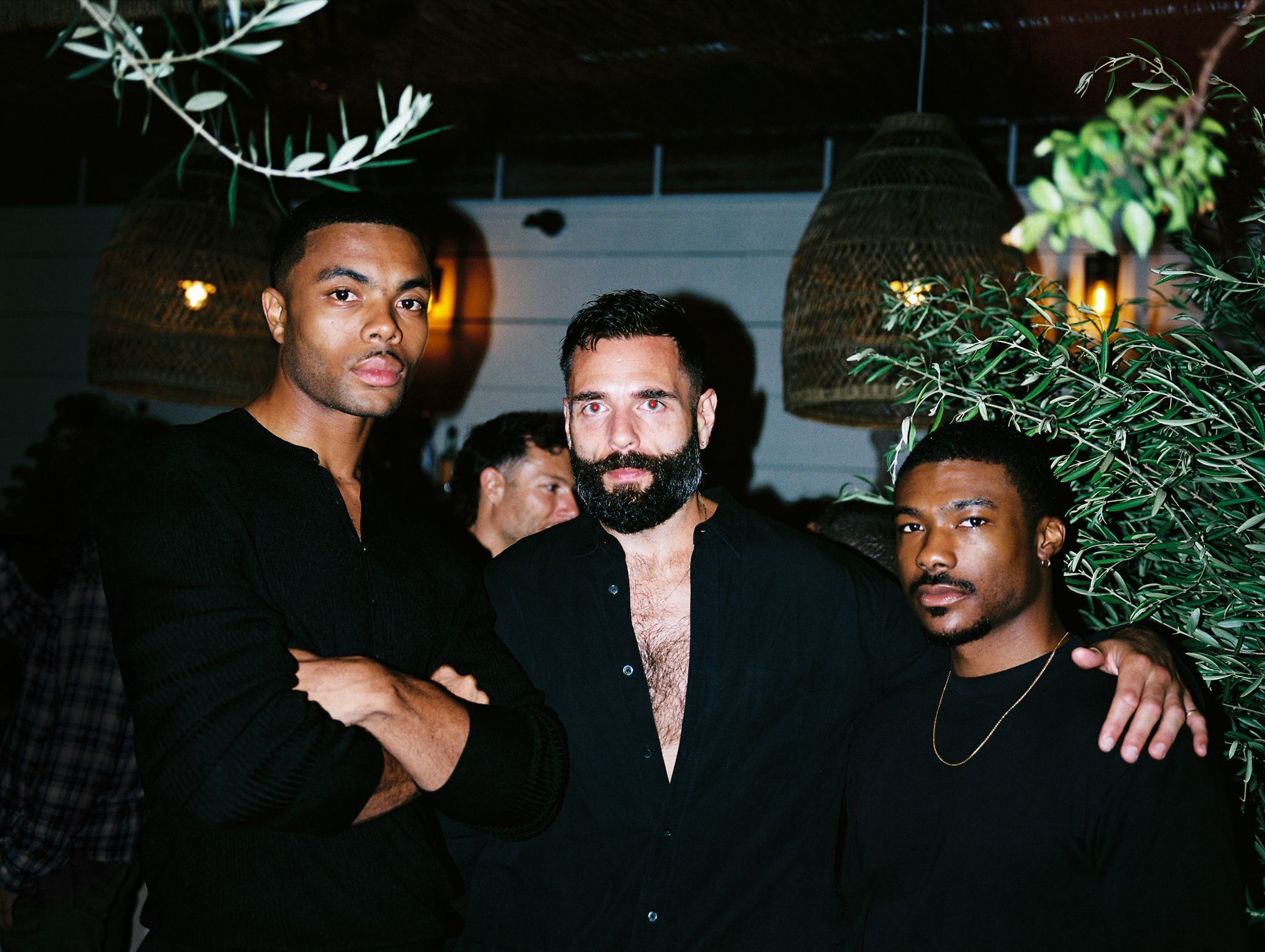
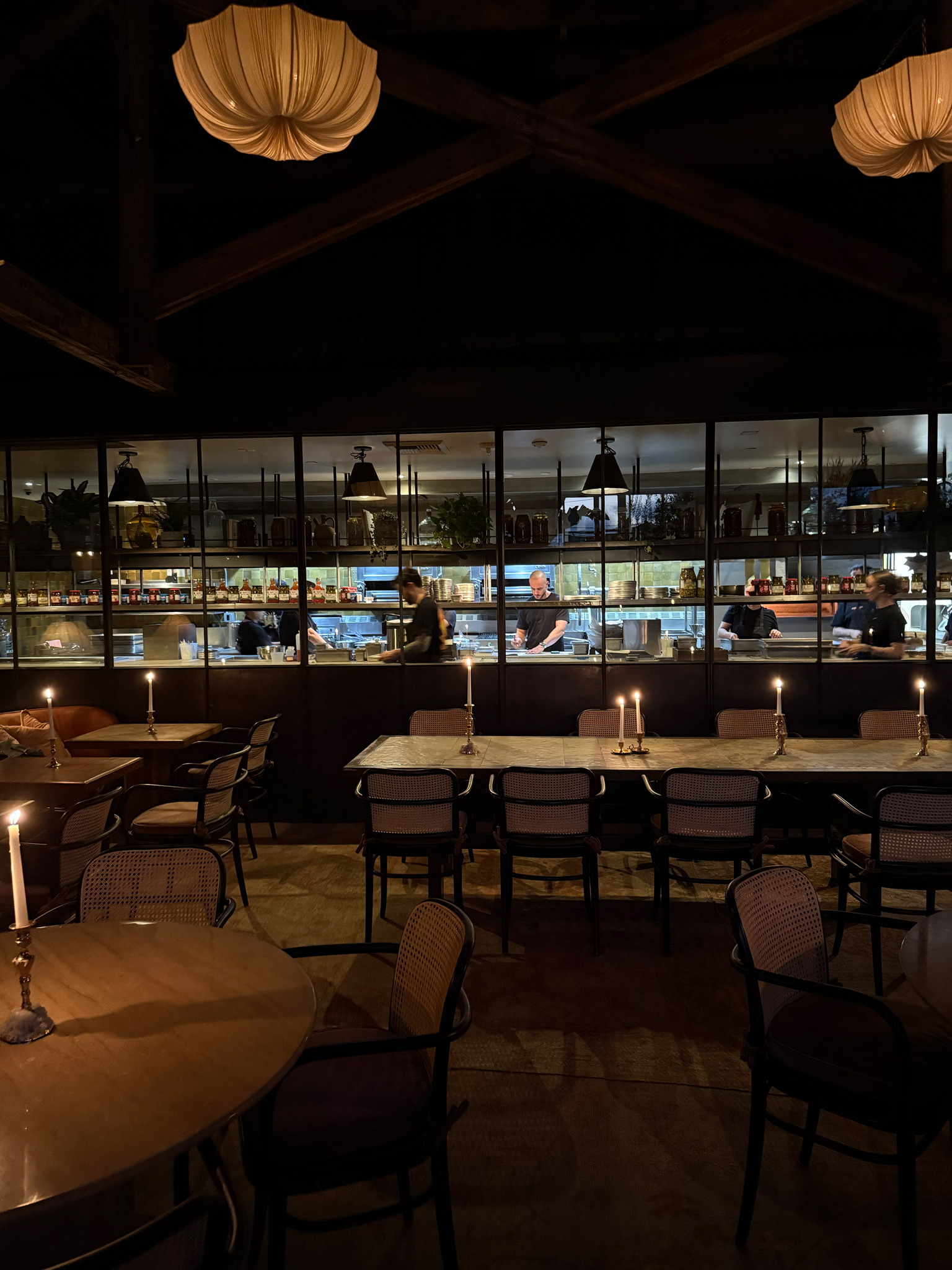
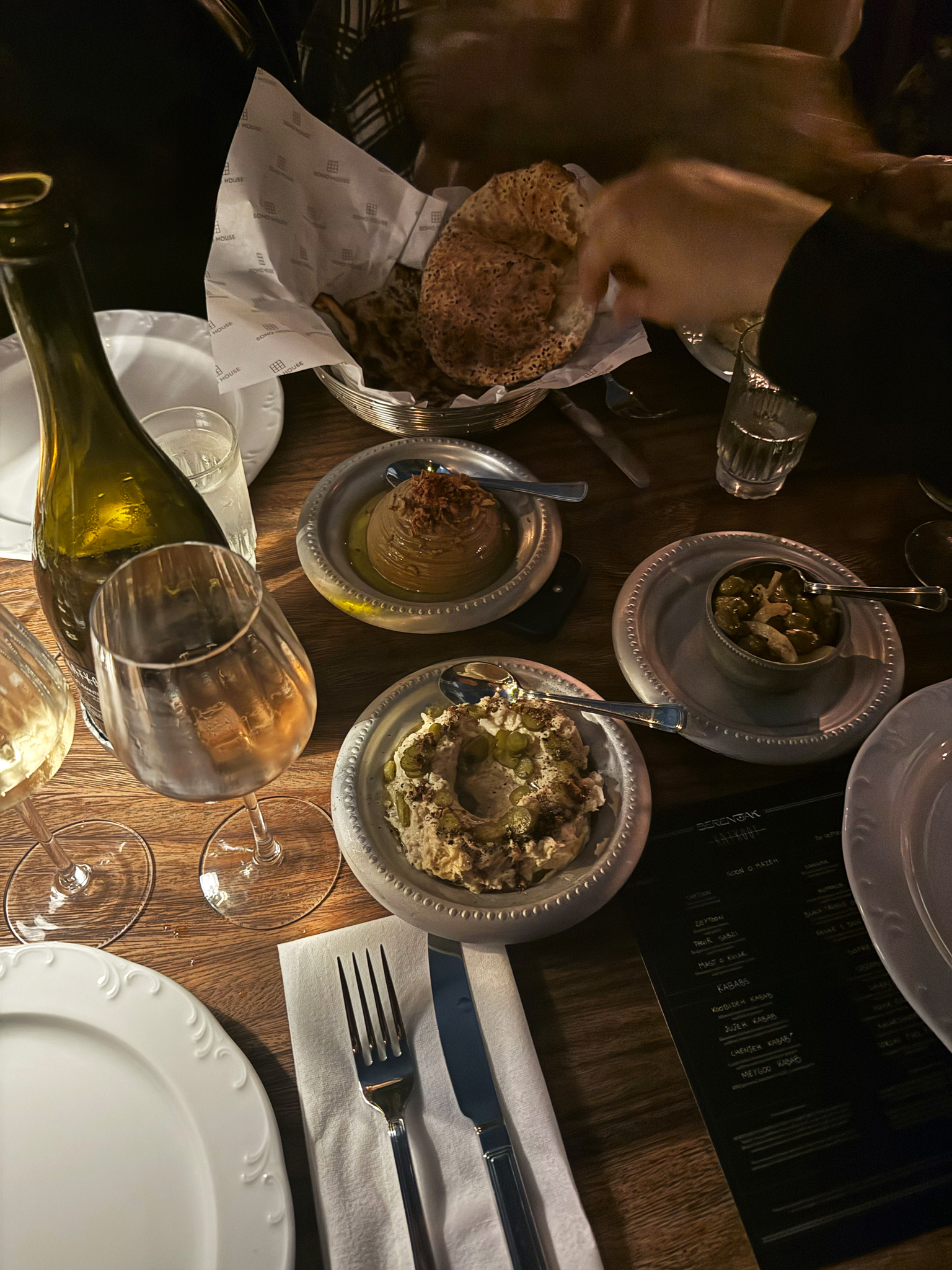
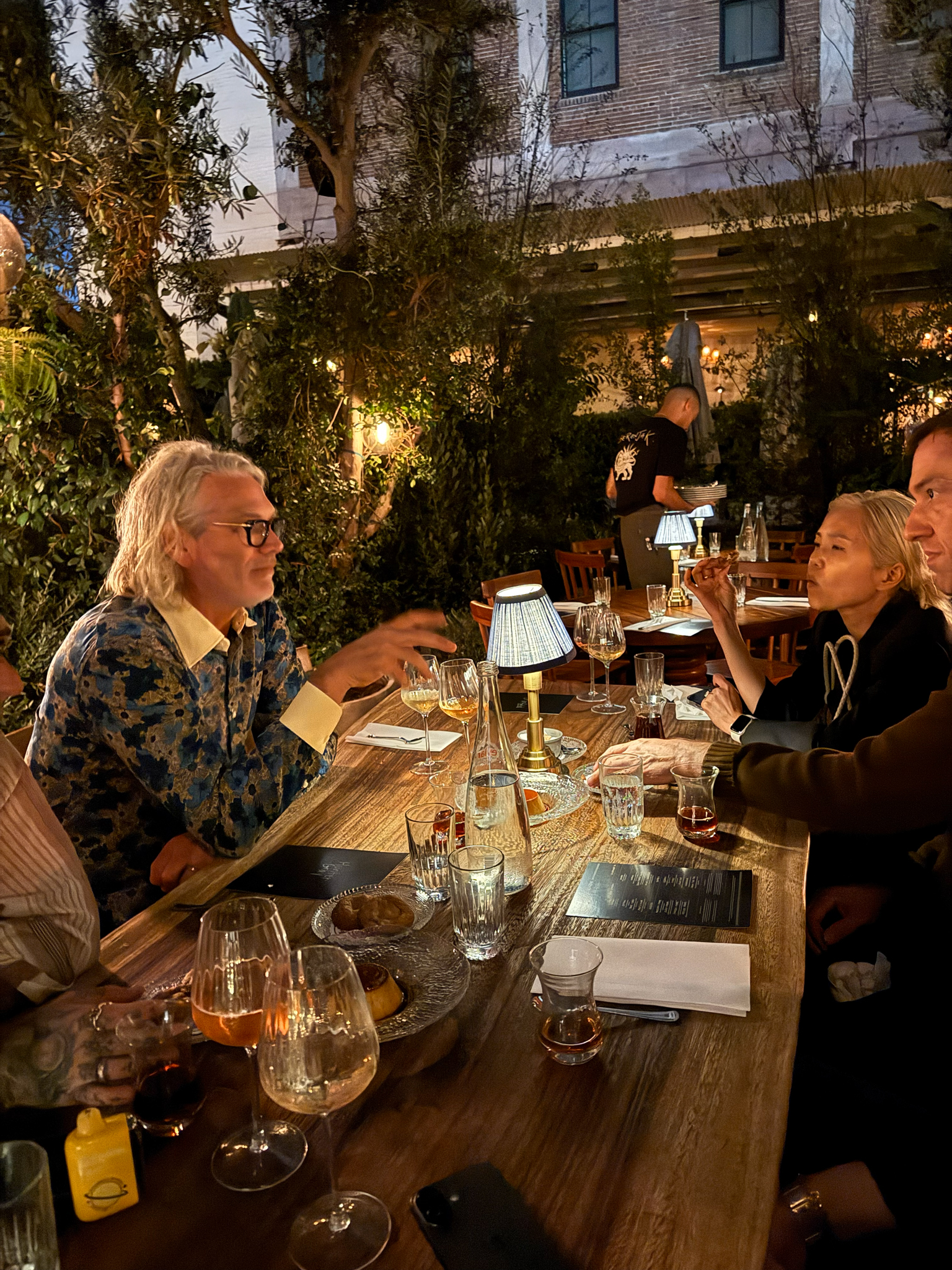
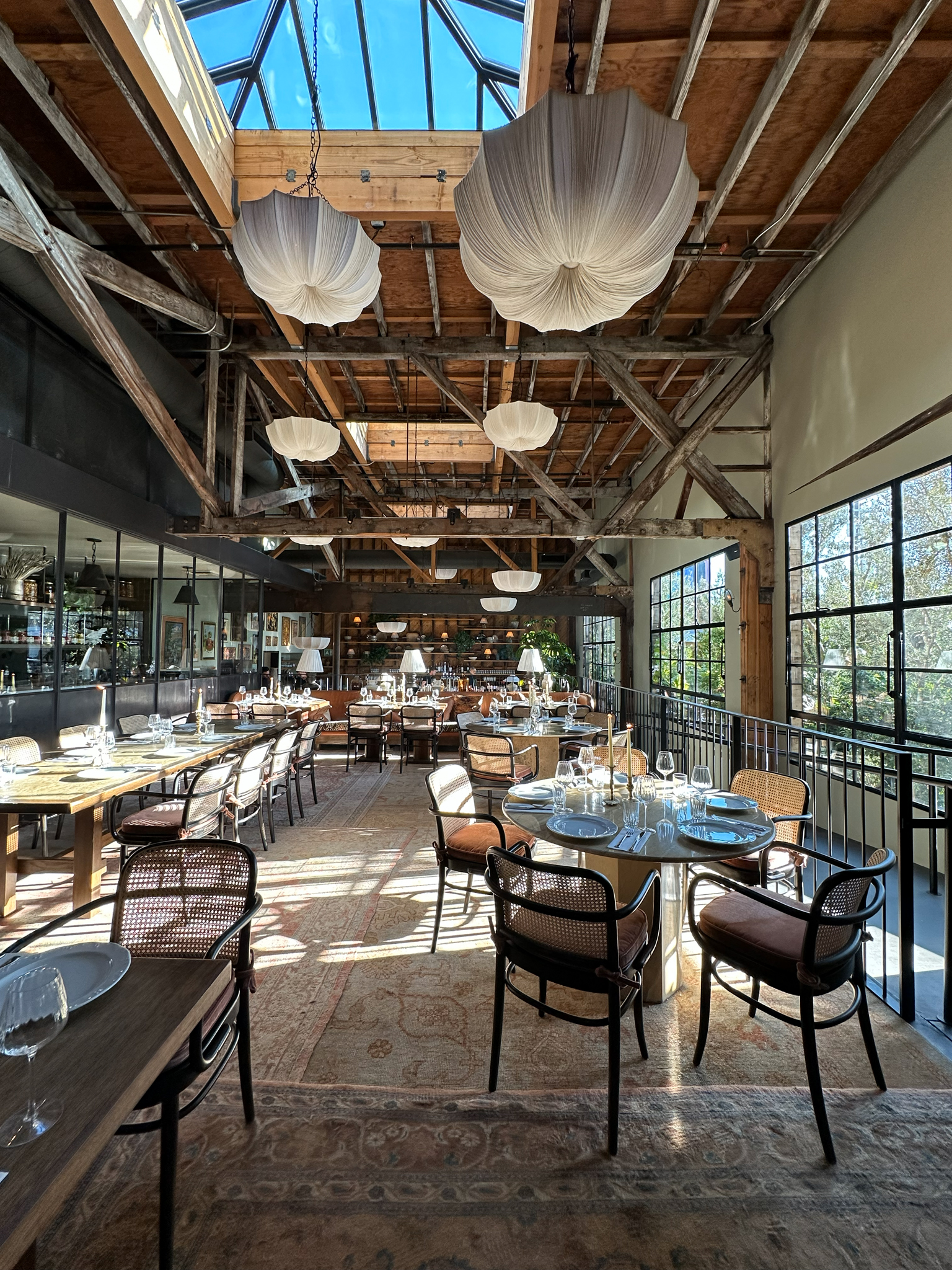
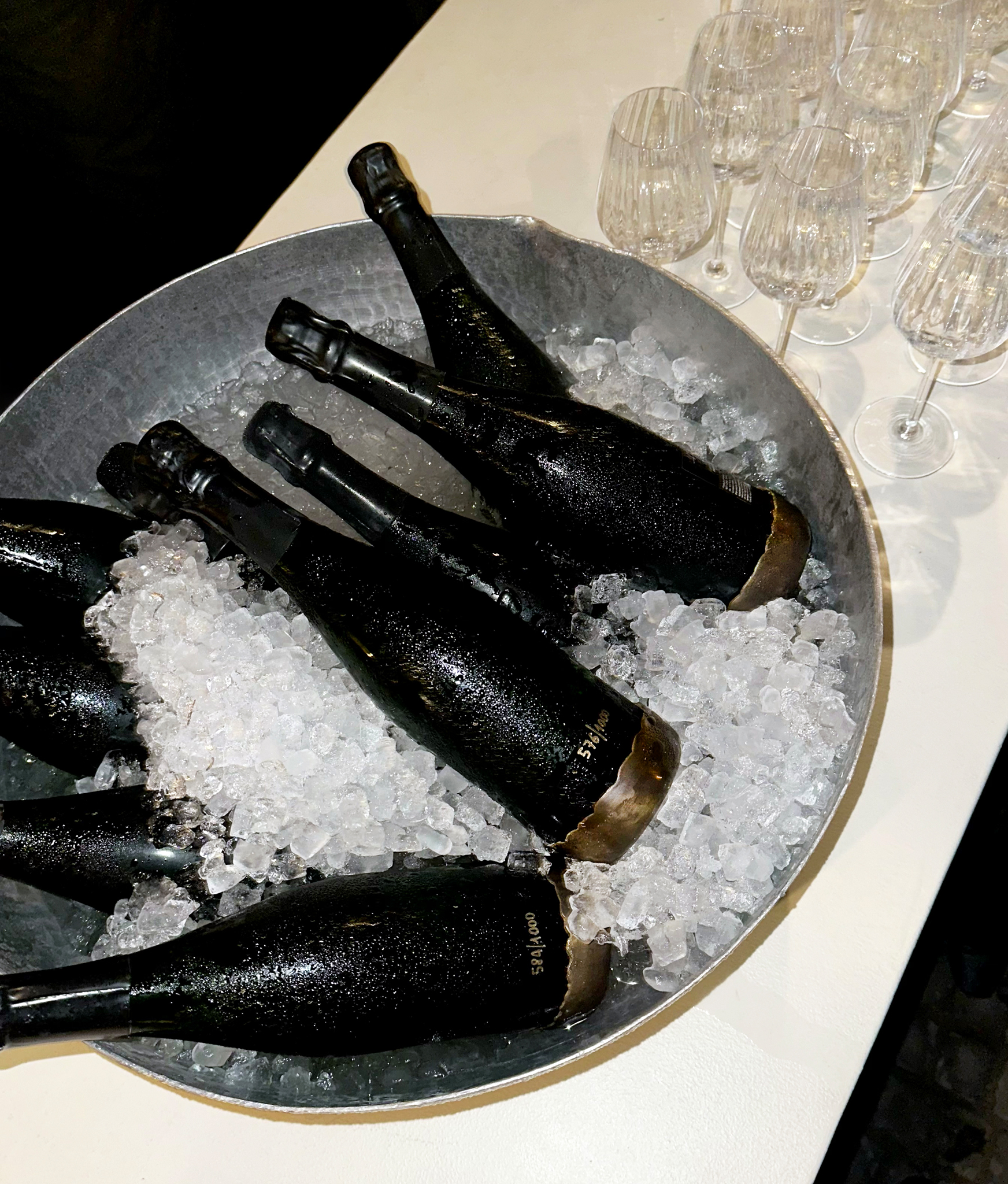
Katkoot celebrated the new opening of Berenjak L.A. with a special night at Soho Warehouse, presenting the Katkoot wines, now available at Soho House.
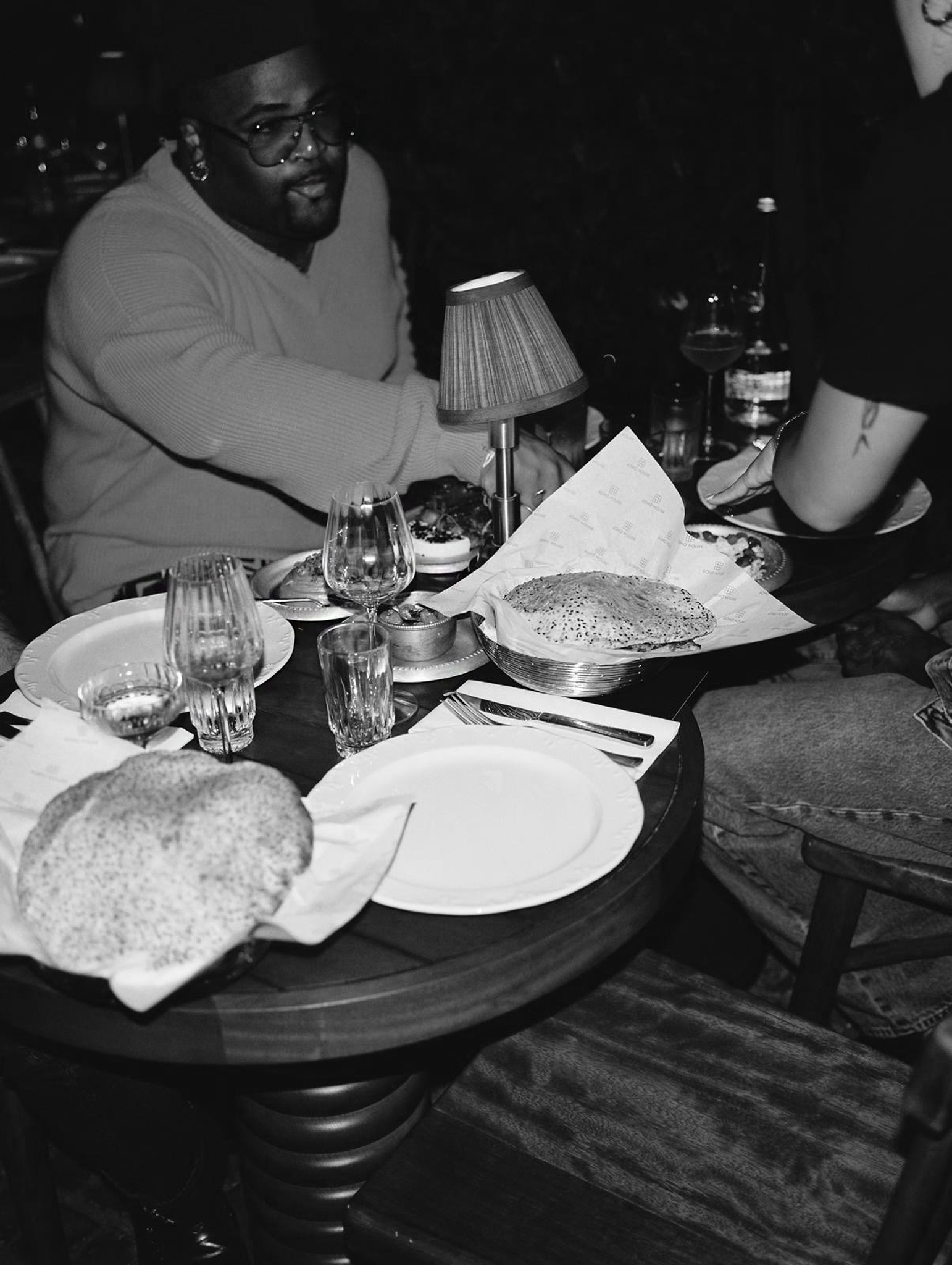
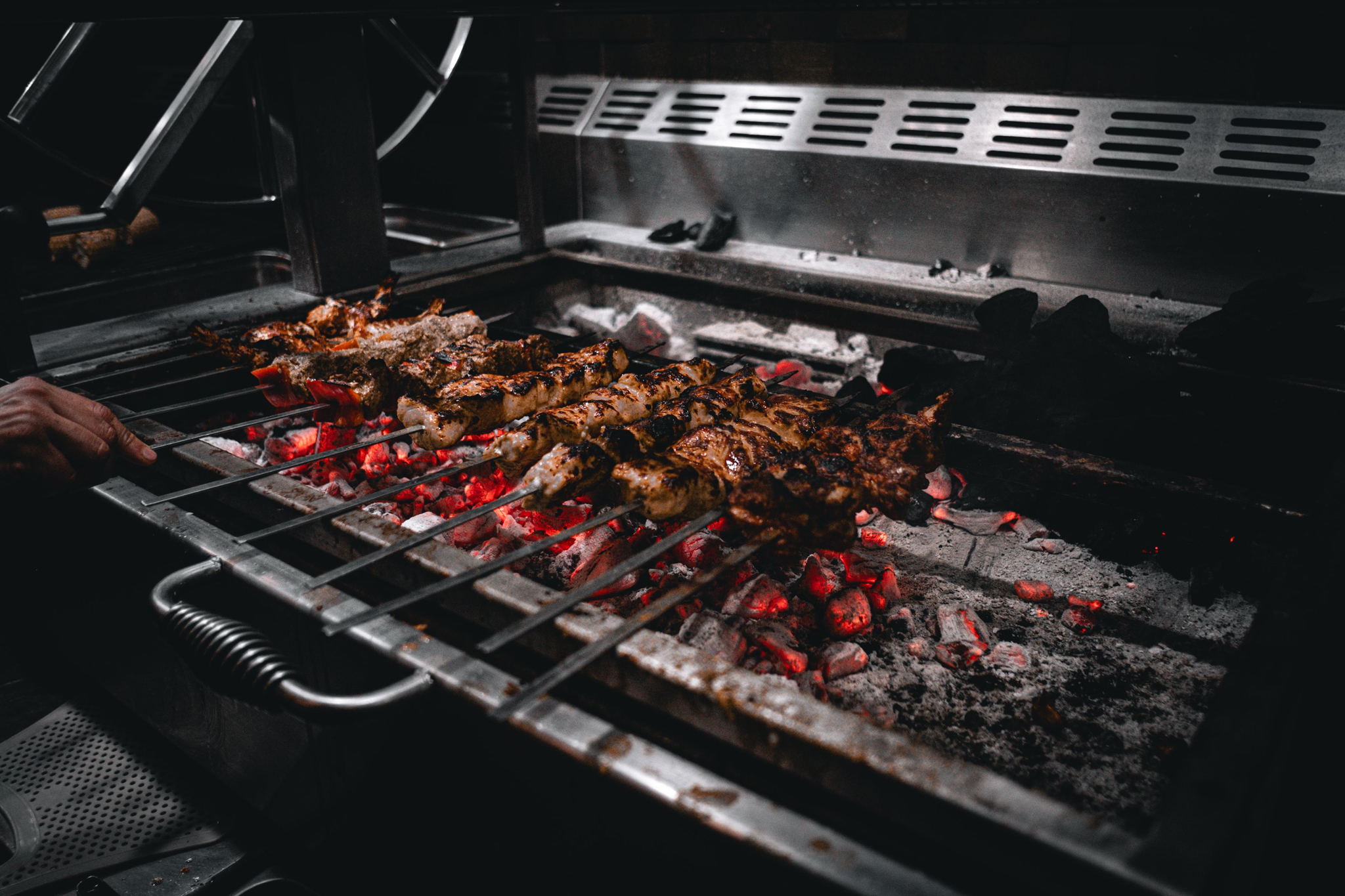
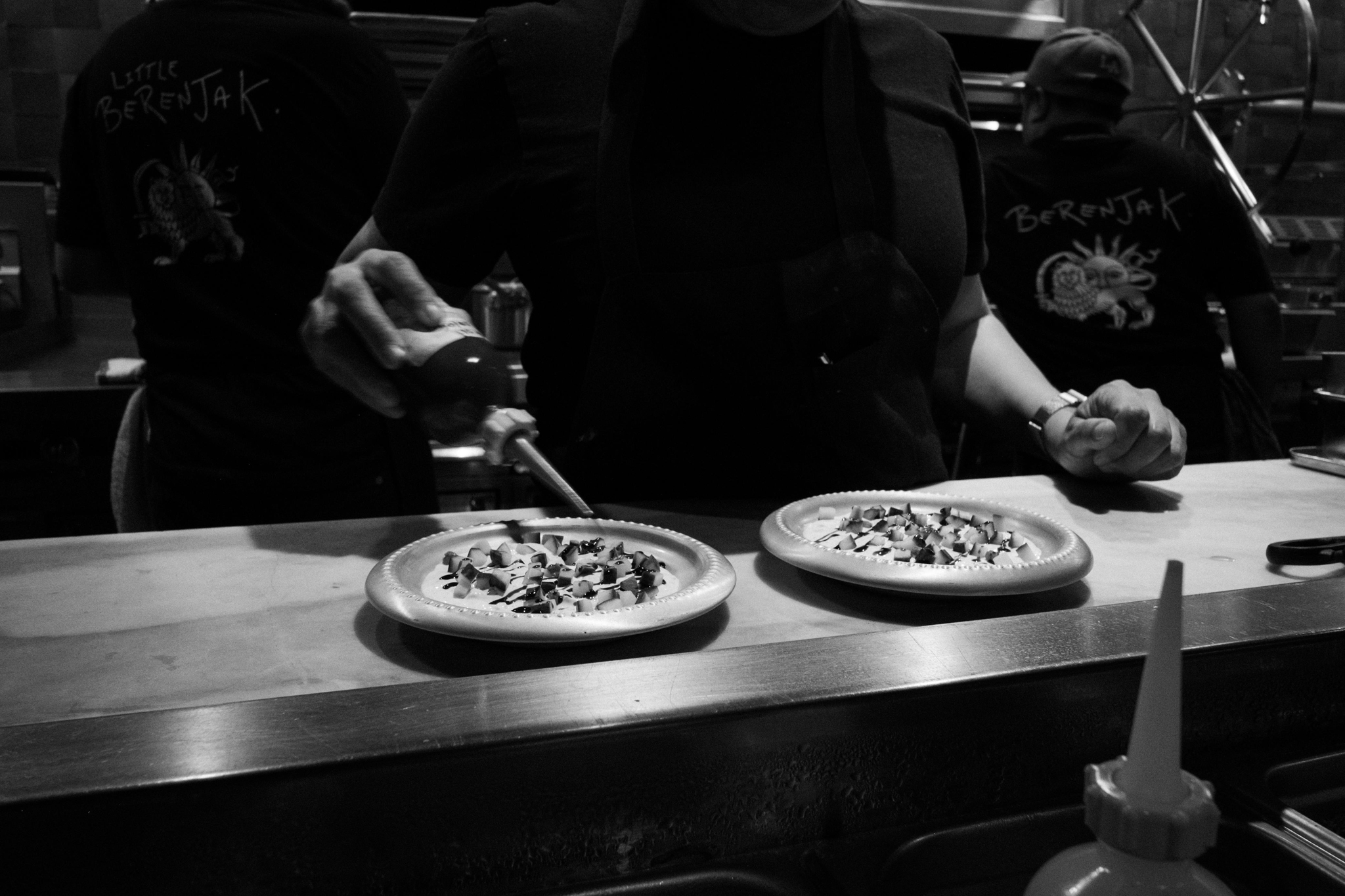
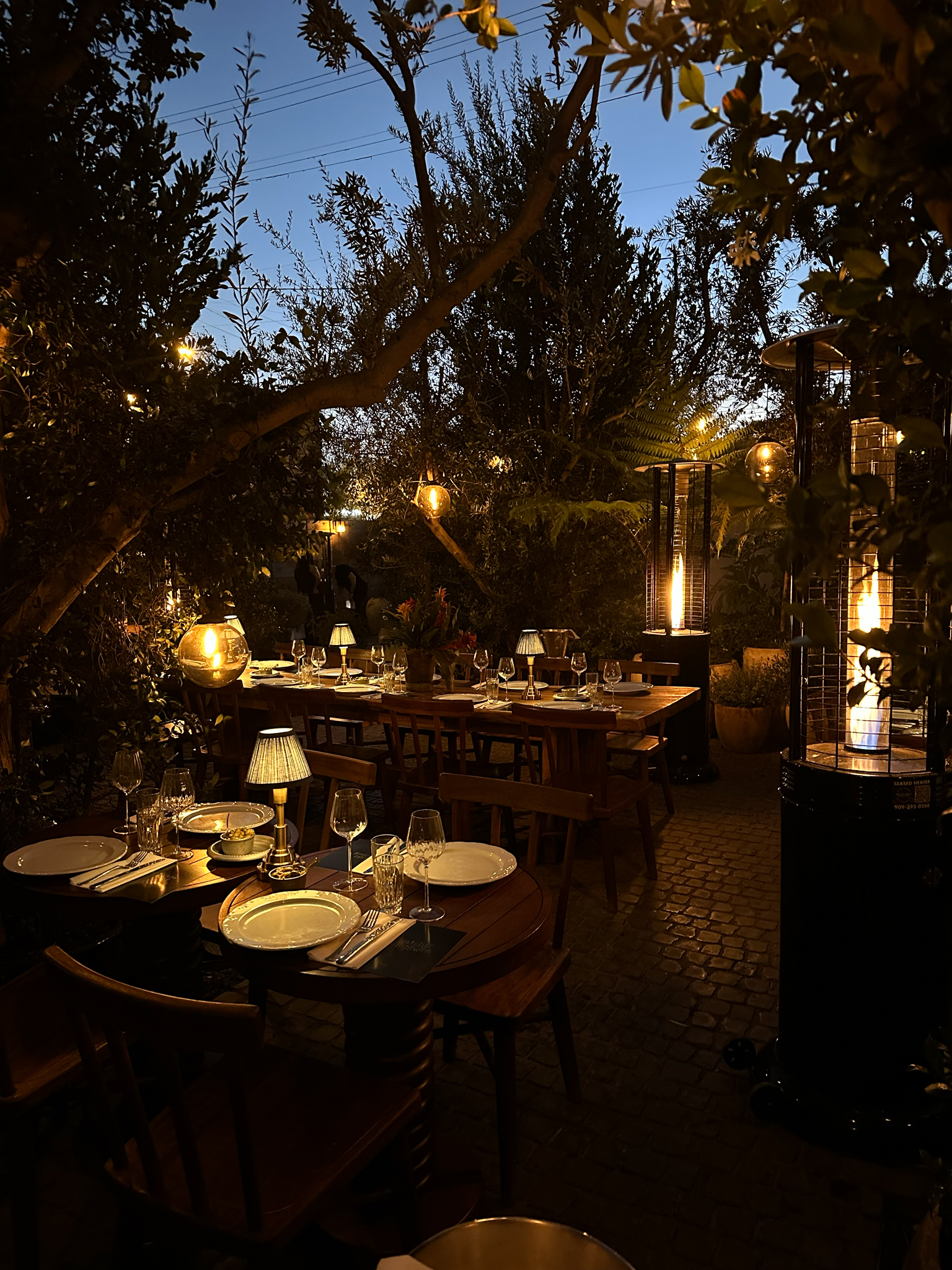
An intimate evening in the romantic garden of Soho Downtown, gathering our artistic community and close friends for a curated dinner. Katkoot wines were paired with the exquisite Persian cuisine of Berenjak, including the Michelin Bib Gourmand–winning Persian kababi by Iranian-born chef Kian Samyani.
Francesco:
My brother, it is a real pleasure to speak with you today. From the first time we met, I have always respected your vision and your work, but even more so the human being behind Berenjak. I see many similarities in the way we grew up, the importance of family, and the way we build our dreams. So it really means a lot to have this conversation with you.
Kian:
The feeling is mutual. From the first time we met, there was an ease to the conversation that I do not take for granted. I recognised something familiar in you, the way you speak about family, work, responsibility, and pride. Those things usually come from how you are raised, not what you build later. So when we sat down for the first time and started talking, it felt like a continuation of something we had already started.
Francesco:
We have talked before about your background, growing up in an Iranian family, being born in London, and then building something so rooted yet so personal. How do you live that balance today, between heritage and your own voice?
Kian:
That balance is something I live with every day. I grew up in an Iranian household in London, so I was always navigating two worlds at once. At home, there were rules, rituals, food, language, and expectations. Outside, there was London, fast, diverse, and constantly changing. For a long time, I did not see that as a strength. Now I realise it is exactly what shaped how I think and create.
Berenjak is not about recreating Iran as it was, or performing tradition. It is about expressing what that culture feels like through my own lived experience. Respecting where I come from, but not being frozen by it.
Francesco:
Speaking about Berenjak, when you first started thinking about it, what kind of place did you want it to be for you personally, before it became what it is today?
Kian:
When I was tasked to conceptualise Berenjak, it was incredibly personal. Before it was a restaurant, it was a place I wanted to exist for myself. Somewhere I could eat the food I grew up with, but in a way that felt honest to how I live now.
I wanted it to feel warm, imperfect, and lived in. A place where food was not precious, but cared for, and where people stayed longer than they planned to. It was not about building a brand, it was about creating a space I wished already existed.
Francesco:
Speaking about Berenjak, when you first started thinking about it, what kind of place did you want it to be for you personally, before it became what it is today?
Kian:
When I was tasked to conceptualise Berenjak, it was incredibly personal. Before it was a restaurant, it was a place I wanted to exist for myself. Somewhere I could eat the food I grew up with, but in a way that felt honest to how I live now.
I wanted it to feel warm, imperfect, and lived in. A place where food was not precious, but cared for, and where people stayed longer than they planned to. It was not about building a brand, it was about creating a space I wished already existed.
Francesco:
Today Berenjak has different locations, London, Los Angeles, Dubai, and New York, and each one feels consistent but never identical. How do you think about growing into new places while keeping the message and experience true?
Kian:
As we have grown into different cities, that original intention is what I always come back to. Each place has its own rhythm, energy, and community, and trying to force uniformity kills something important.
The message stays the same, generosity, warmth, and honesty. But the expression has to respond to where you are. If it does not feel like it belongs there, people sense it immediately. For me, consistency is about values, not aesthetics.
Francesco:
When we met part of your team, what really struck me was the feeling of a real family. Seeing how you bring them into different experiences meant a lot to me. How much of this journey belongs to them?
Kian:
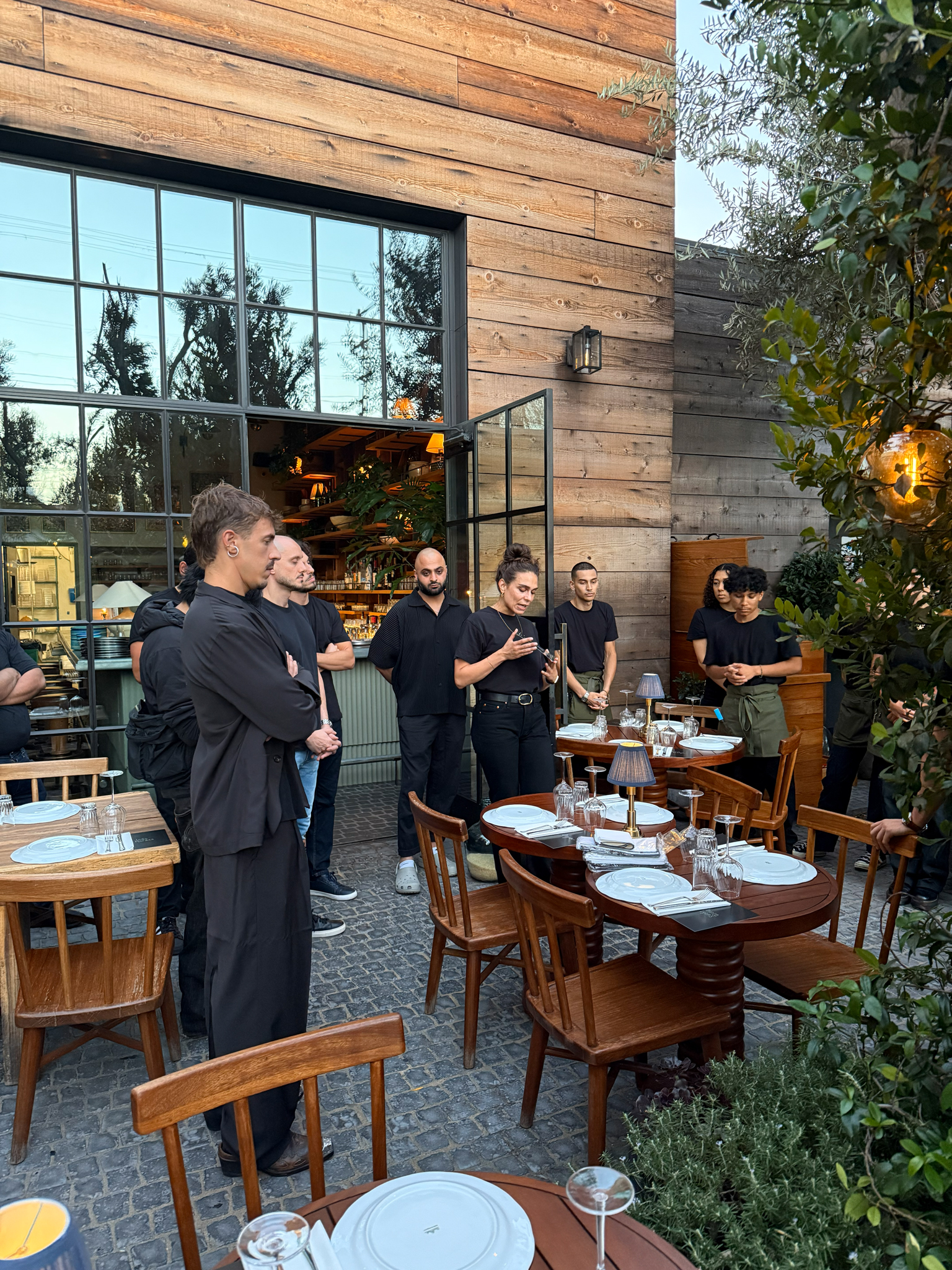
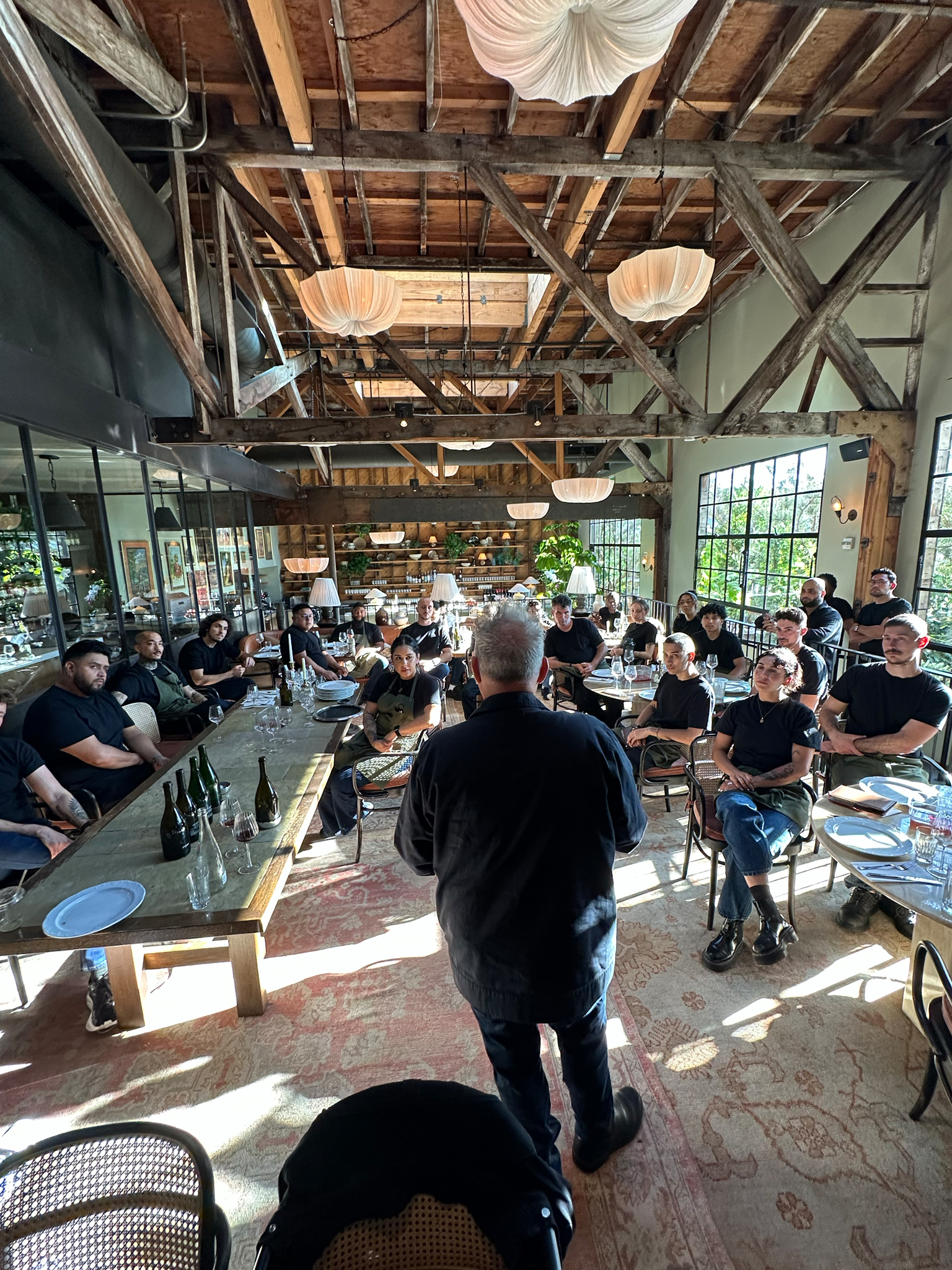
The team are everything, truly. Whatever success Berenjak has had belongs to them. I do not believe in building something and keeping people at arm’s length. I want everyone to experience the journey, the travel, the pressure, and the moments of joy and doubt.
This only works if people feel part of something real. That family feeling is not accidental. It is built slowly through trust, shared experiences, loyalty, and mutual respect.
Francesco:
Speaking about Katkoot, I remember the first time we spoke about the project. Beyond the wine itself, what made you feel there was real alignment between us?
Kian:
With Katkoot, it clicked straight away. It was never just about the wine, it was about intention. The way you approached it felt familiar to me, considered, patient, and driven by something deeper than quick results.
From the start it felt collaborative rather than transactional, and that trust has only grown. There is an unspoken understanding that what we are building deserves time, care, and honesty. The Berenjak team and I are grateful to be a small part of your story.
Francesco:
I feel there is a natural overlap between Katkoot and the people around Berenjak. How do you feel about that connection?
Kian:
I completely agree. Both brands attract the same kind of energy, people who are curious, grounded, and emotionally connected to what they consume. It feels natural because it is natural. When things align like that, it is usually because the values match, not because the strategy does.
Francesco:
With everything moving so quickly, what do you try to remind yourself of when making decisions for Berenjak?
Kian:
I try to remind myself why I started in the first place. Every decision becomes a question of balance. Does this help us grow in the right way, or does it take us further away from what matters?
Growth is important and necessary, but only if it has meaning behind it. I ask myself whether each decision protects the soul of what we are building or slowly erodes it. If I can still recognise myself, my values, and the original intention behind Berenjak, then I know we are moving in the right direction.
And for anyone wondering how you measure that, it is by how you sleep. A good night’s sleep is only possible with a clear conscience.
KATKOOT × BERENJAK
Katkoot celebrated the new opening of Berenjak L.A. with a special night at Soho Warehouse, presenting the Katkoot wines, now available at Soho House.
An intimate evening in the romantic garden of Soho Downtown, gathering our artistic community and close friends for a curated dinner. Katkoot wines were paired with the exquisite Persian cuisine of Berenjak, including the Michelin Bib Gourmand–winning Persian kababi by Iranian-born chef Kian Samyani.
Francesco:
My brother, it is a real pleasure to speak with you today. From the first time we met, I have always respected your vision and your work, but even more so the human being behind Berenjak. I see many similarities in the way we grew up, the importance of family, and the way we build our dreams. So it really means a lot to have this conversation with you.
Kian:
The feeling is mutual. From the first time we met, there was an ease to the conversation that I do not take for granted. I recognised something familiar in you, the way you speak about family, work, responsibility, and pride. Those things usually come from how you are raised, not what you build later. So when we sat down for the first time and started talking, it felt like a continuation of something we had already started.
Francesco:
We have talked before about your background, growing up in an Iranian family, being born in London, and then building something so rooted yet so personal. How do you live that balance today, between heritage and your own voice?
Kian:
That balance is something I live with every day. I grew up in an Iranian household in London, so I was always navigating two worlds at once. At home, there were rules, rituals, food, language, and expectations. Outside, there was London, fast, diverse, and constantly changing. For a long time, I did not see that as a strength. Now I realise it is exactly what shaped how I think and create.
Berenjak is not about recreating Iran as it was, or performing tradition. It is about expressing what that culture feels like through my own lived experience. Respecting where I come from, but not being frozen by it.
Francesco:
Speaking about Berenjak, when you first started thinking about it, what kind of place did you want it to be for you personally, before it became what it is today?
Kian:
When I was tasked to conceptualise Berenjak, it was incredibly personal. Before it was a restaurant, it was a place I wanted to exist for myself. Somewhere I could eat the food I grew up with, but in a way that felt honest to how I live now.
I wanted it to feel warm, imperfect, and lived in. A place where food was not precious, but cared for, and where people stayed longer than they planned to. It was not about building a brand, it was about creating a space I wished already existed.
Francesco:
Speaking about Berenjak, when you first started thinking about it, what kind of place did you want it to be for you personally, before it became what it is today?
Kian:
When I was tasked to conceptualise Berenjak, it was incredibly personal. Before it was a restaurant, it was a place I wanted to exist for myself. Somewhere I could eat the food I grew up with, but in a way that felt honest to how I live now.
I wanted it to feel warm, imperfect, and lived in. A place where food was not precious, but cared for, and where people stayed longer than they planned to. It was not about building a brand, it was about creating a space I wished already existed.
Francesco:
Today Berenjak has different locations, London, Los Angeles, Dubai, and New York, and each one feels consistent but never identical. How do you think about growing into new places while keeping the message and experience true?
Kian:
As we have grown into different cities, that original intention is what I always come back to. Each place has its own rhythm, energy, and community, and trying to force uniformity kills something important.
The message stays the same, generosity, warmth, and honesty. But the expression has to respond to where you are. If it does not feel like it belongs there, people sense it immediately. For me, consistency is about values, not aesthetics.
Francesco:
When we met part of your team, what really struck me was the feeling of a real family. Seeing how you bring them into different experiences meant a lot to me. How much of this journey belongs to them?
Kian:
The team are everything, truly. Whatever success Berenjak has had belongs to them. I do not believe in building something and keeping people at arm’s length. I want everyone to experience the journey, the travel, the pressure, and the moments of joy and doubt.
This only works if people feel part of something real. That family feeling is not accidental. It is built slowly through trust, shared experiences, loyalty, and mutual respect.
Francesco:
Speaking about Katkoot, I remember the first time we spoke about the project. Beyond the wine itself, what made you feel there was real alignment between us?
Kian:
With Katkoot, it clicked straight away. It was never just about the wine, it was about intention. The way you approached it felt familiar to me, considered, patient, and driven by something deeper than quick results.
From the start it felt collaborative rather than transactional, and that trust has only grown. There is an unspoken understanding that what we are building deserves time, care, and honesty. The Berenjak team and I are grateful to be a small part of your story.
Francesco:
I feel there is a natural overlap between Katkoot and the people around Berenjak. How do you feel about that connection?
Kian:
I completely agree. Both brands attract the same kind of energy, people who are curious, grounded, and emotionally connected to what they consume. It feels natural because it is natural. When things align like that, it is usually because the values match, not because the strategy does.
Francesco:
With everything moving so quickly, what do you try to remind yourself of when making decisions for Berenjak?
Kian:
I try to remind myself why I started in the first place. Every decision becomes a question of balance. Does this help us grow in the right way, or does it take us further away from what matters?
Growth is important and necessary, but only if it has meaning behind it. I ask myself whether each decision protects the soul of what we are building or slowly erodes it. If I can still recognise myself, my values, and the original intention behind Berenjak, then I know we are moving in the right direction.
And for anyone wondering how you measure that, it is by how you sleep. A good night’s sleep is only possible with a clear conscience.
